
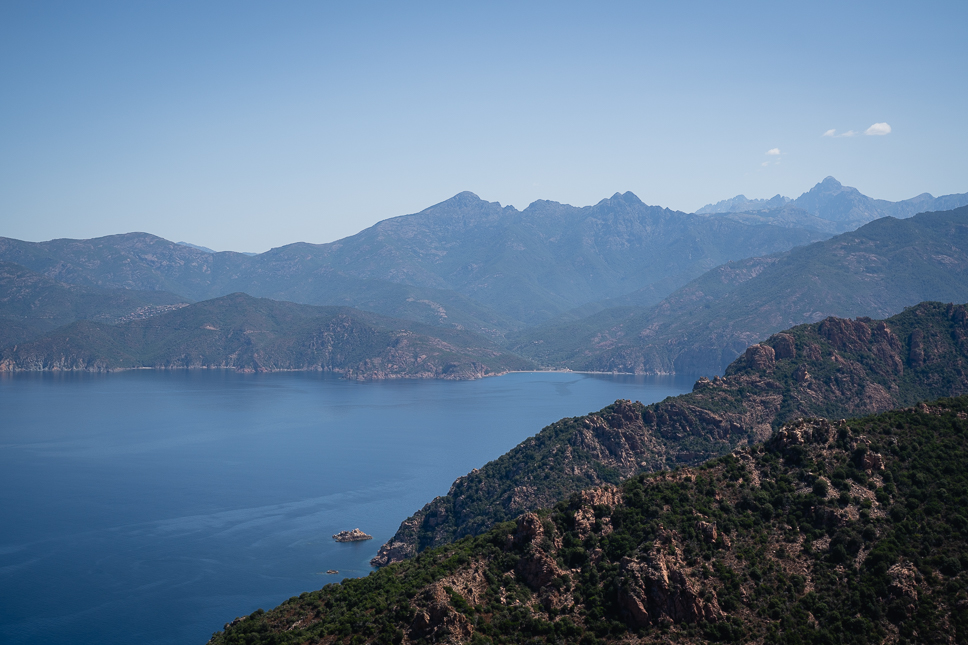
Beforehand, we mainly pictured beautiful beaches and clear blue water, but after just our first few days, we realized that Corsica is so much more than that. Did you know, for instance, that none other than Napoleon Bonaparte was born in Ajaccio, the island’s sun-drenched capital? Although politically part of France, Corsica feels like a world apart.
From the legendary GR20 hiking trail cutting through rugged mountains to crystal-blue bays where sheer cliffs plunge almost vertically into the sea, Corsica has a great deal to offer. In a single day, you can have breakfast in one of the lively port towns like Bonifacio or Calvi, enjoy lunch in a mountain village, swim in a hidden cove, and watch the sunset over dramatic cliffs. And along the way? You’ll drive past goats, winding mountain roads, and spectacular views.
During our trip to Corsica, we stayed in a small house near the beautiful capital Ajaccio and primarily explored the west and south of the island. Distances in Corsica are quite significant, so if you want to visit all the sights on this list, we recommend renting a car and embarking on a proper two- or three-week road trip.
In this article, you’ll find an overview of things to do in Corsica, including the best sights, fun activities, and absolute must-sees. And right at the end, you’ll also find a few quick, practical tips to help you plan your trip. Ready to discover Corsica? Let’s go!
1. Stroll through the capital, Ajaccio
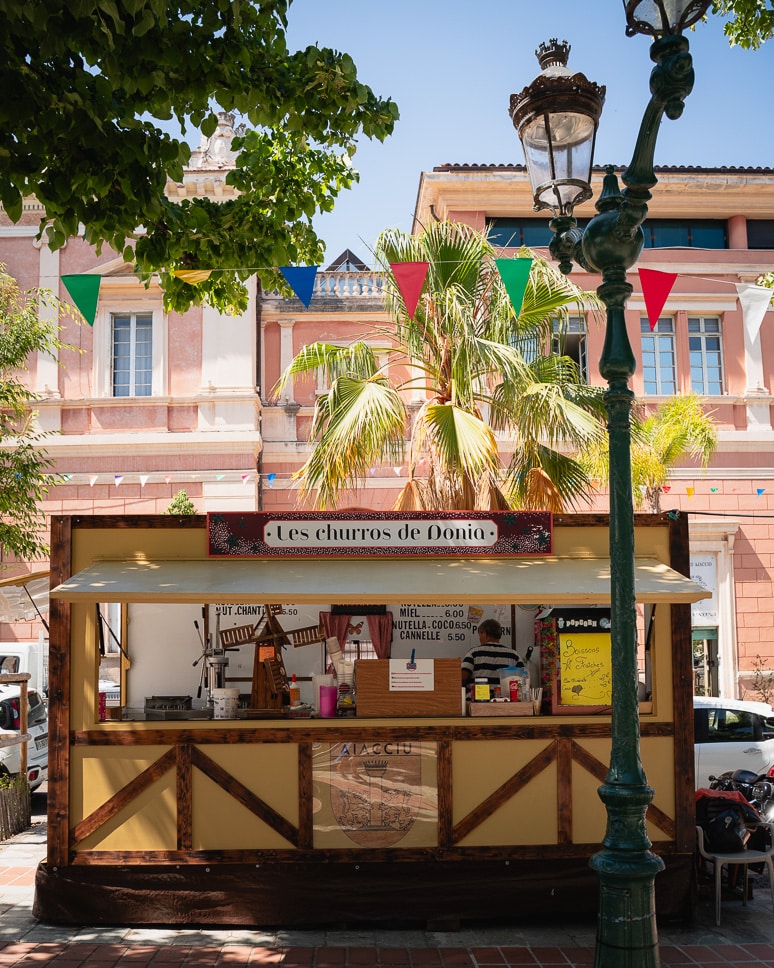
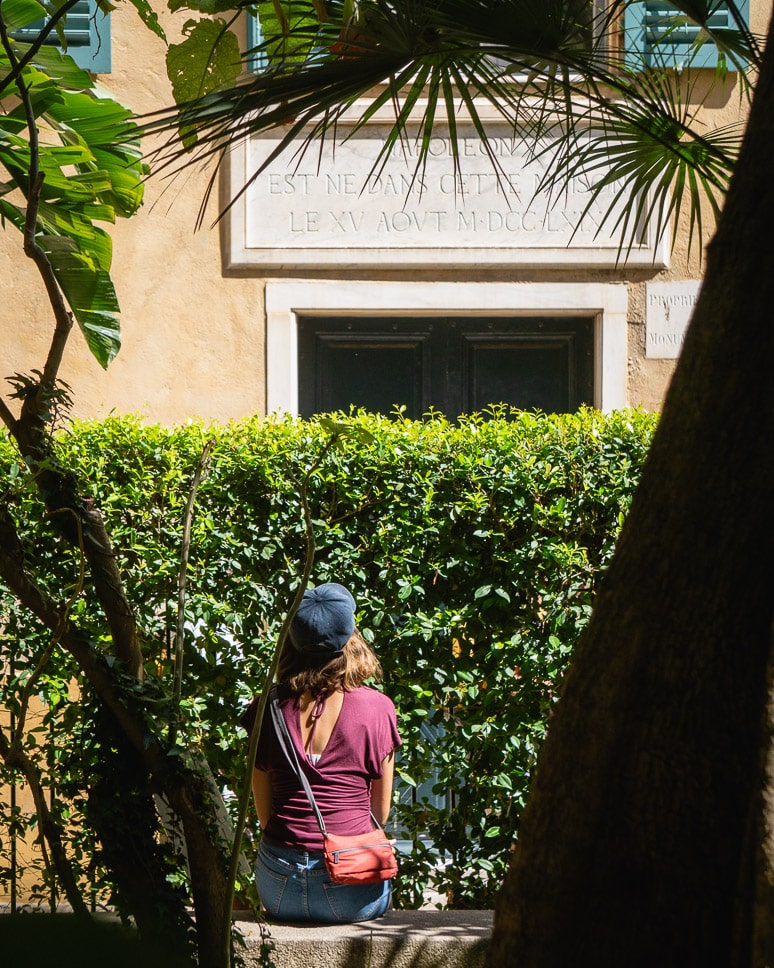
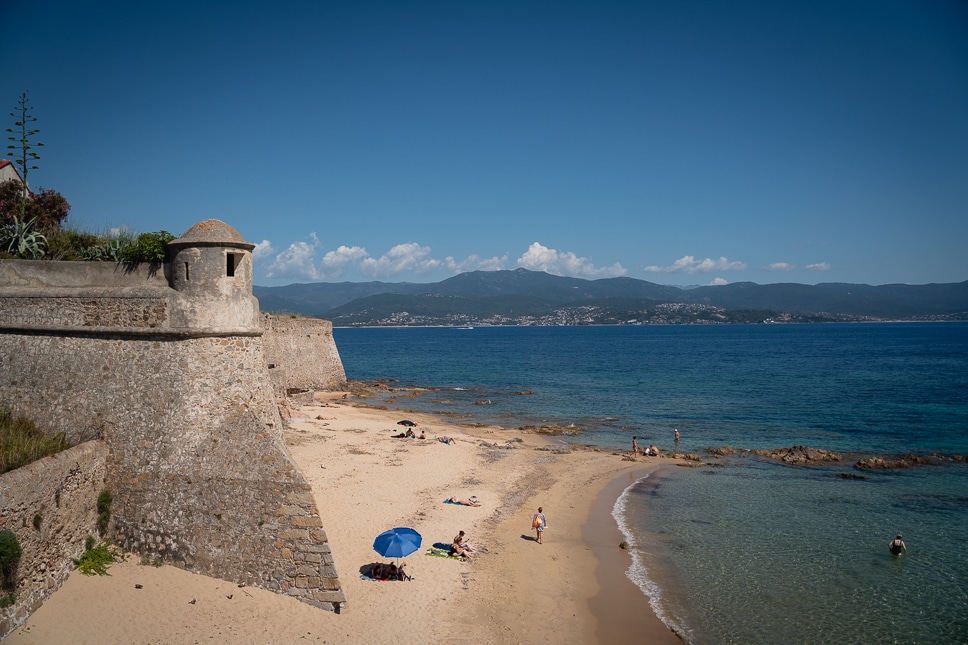
No trip to Corsica is complete without a visit to Ajaccio. The island’s capital is best known as the birthplace of Napoleon Bonaparte, but it has much more to offer. The city possesses the characteristic liveliness and charm of a southern port city, and we loved wandering through its inviting streets.
So be sure to take the time to explore this beautiful capital (on foot or by bike), follow in Napoleon’s footsteps, visit the colorful market on Place Foch, go for a swim at the foot of the citadel, and enjoy a drink on one of the many terraces along the boulevard. The atmosphere here is delightful, especially around sunset.
Read more: 14x The best things to do in Ajaccio
TIP: Park your car near the Gare d’Ajaccio on the edge of the city center. From there, it’s a 10-minute walk to the market and the old town.
2. Discover rugged Cap Corse
In the far north lies one of Corsica’s most beautiful regions, Cap Corse, a place unfortunately overlooked by many travelers. It is a 40-kilometer-long peninsula (often called “the finger of Corsica”) featuring a mix of rugged cliffs, centuries-old Genoese towers, and picturesque fishing villages such as Erbalunga, Centuri, and Nonza.
Don’t forget the walk along the Sentier des Douaniers, which follows the northern tip of the peninsula from Macinaggio to Centuri. You don’t have to walk the whole way: even just a short stretch towards Tamarone Beach offers a magnificent view of the rugged coastline and the Finocchiarola islets.
The atmosphere here is magical, especially at sunset. Bring a picnic and enjoy one of the most beautiful evenings of your trip.
TIP: It is best to drive the Cap Corse route counter-clockwise (heading up the east coast and returning via the west coast). This way, you drive with the sun at your back and always have the best views on the passenger side—ideal for taking photos along the way.
3. Admire Bonifacio and its impressive cliffs
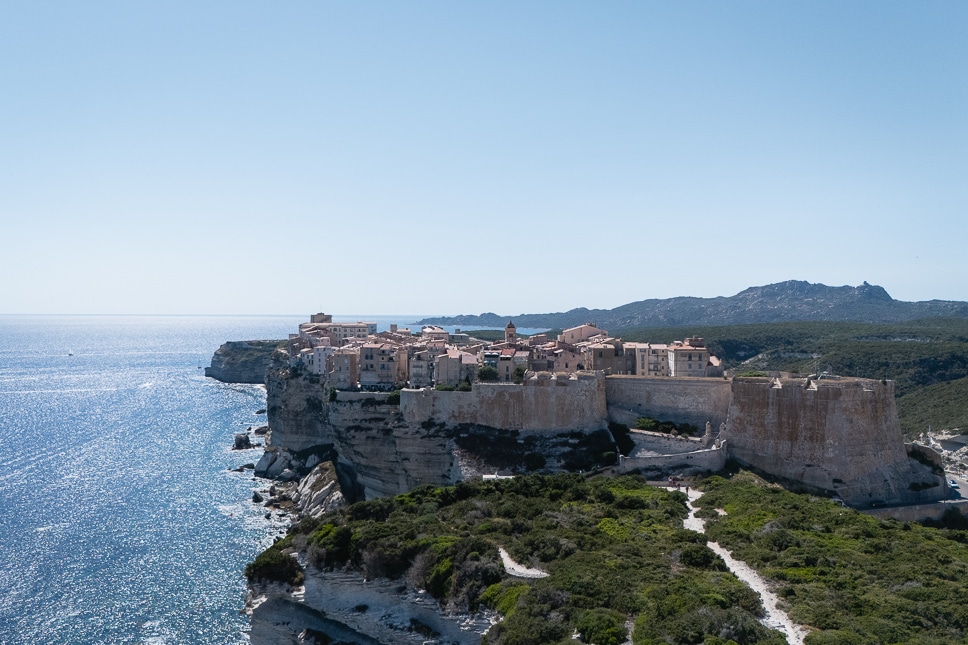
Bonifacio is undoubtedly one of the most spectacular towns in Corsica. After all, the old town is built atop white limestone cliffs that rise almost vertically from the sea. We found a visit well worth it, but the place is no secret anymore, and it can get very crowded during peak season.
Wander through the Old Town’s maze of narrow streets, stairways, small squares, and viewpoints overlooking the Mediterranean. From the impressive citadel, you can descend the famous King of Aragon’s Staircase—an astonishing 187 steps carved directly into the cliff face.
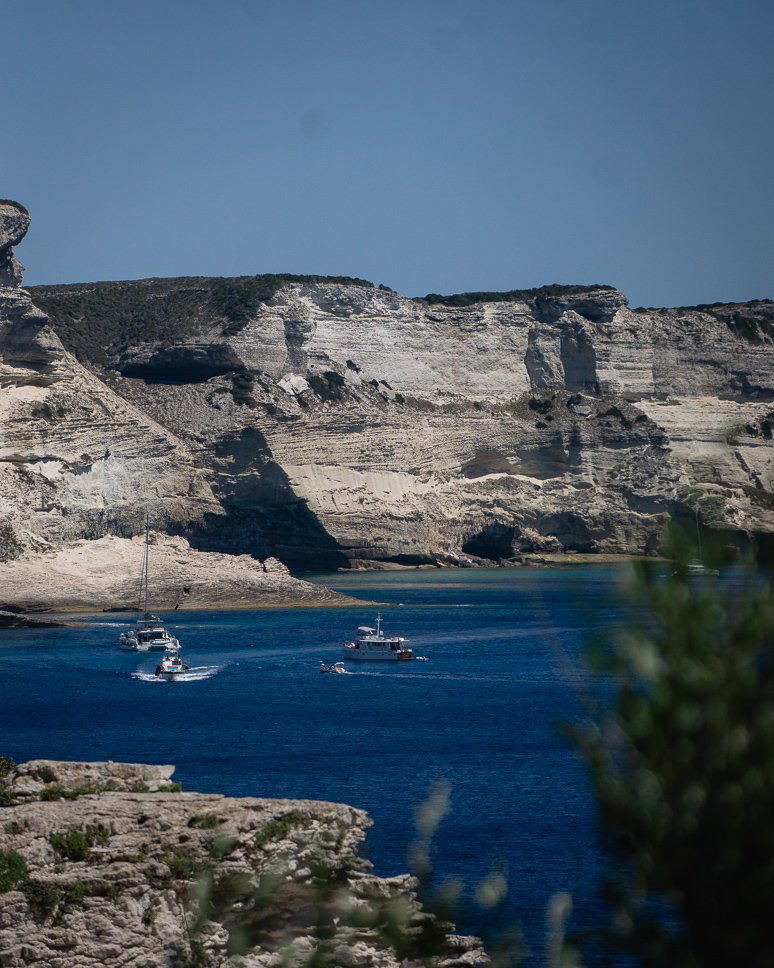
But be sure to take the time to head down to the harbor. There, you’ll find charming restaurants and various boat trips departing for the surrounding caves and islands. It is only from the water that you can truly appreciate just how impressive the limestone cliffs are.
TIP: You get a beautiful view of the town from the limestone cliffs to the east. Hiking along the coastal path atop the cliffs—which you can follow all the way to the lighthouse and Plage de Saint Antoine (4 km one way)—was one of our favorite activities.
4. Road trip through the mountains of Corsica
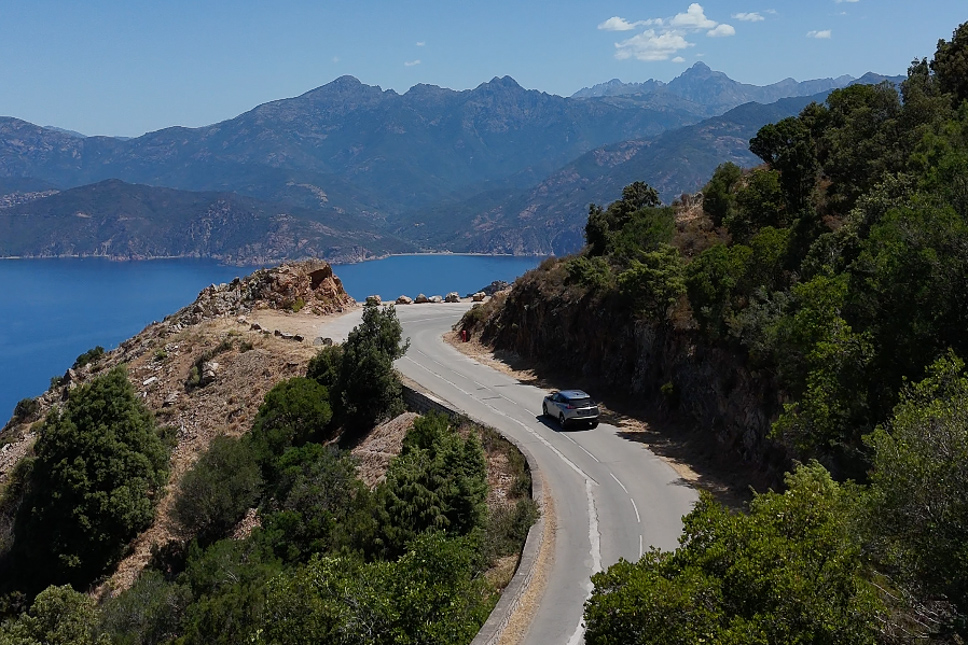
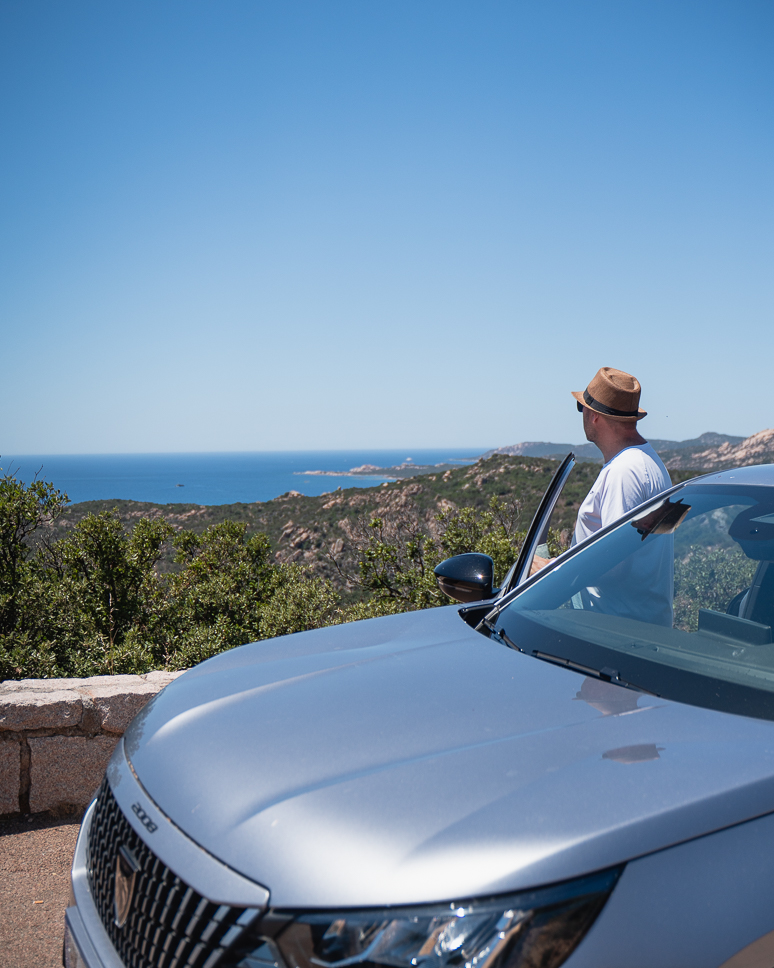
One of our fondest memories of Corsica? Simply getting in the car and driving. From small villages and hidden beaches to spectacular viewpoints, the island is made for road trips.
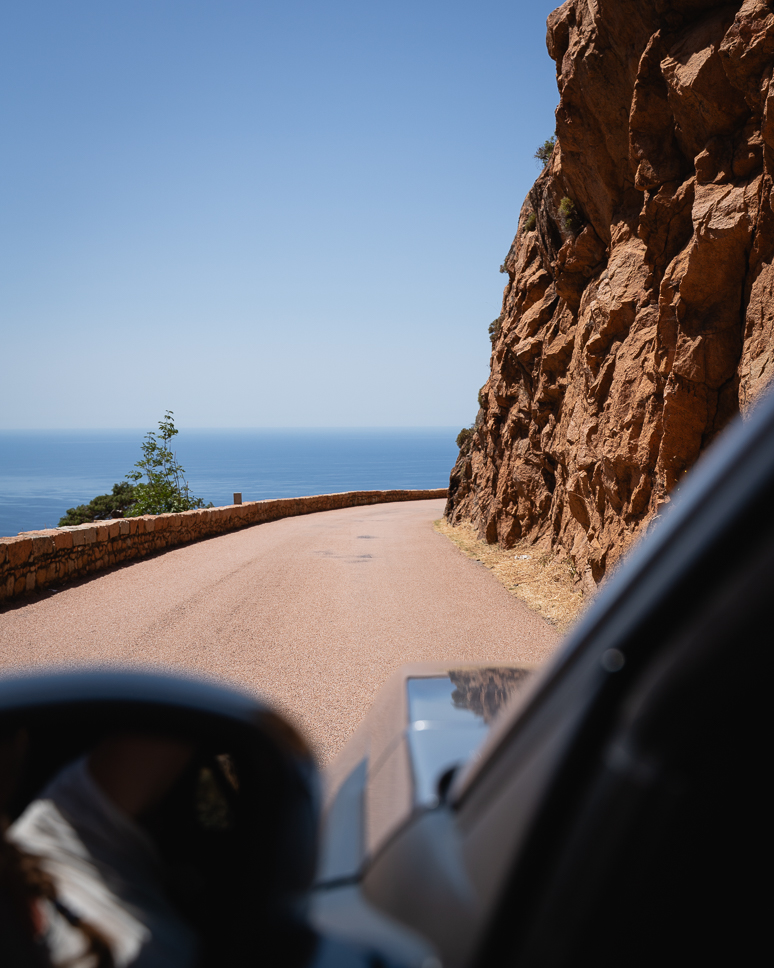
And honestly, we believe that driving around the island by car is the only way to truly discover Corsica. Do expect plenty of hairpin bends, though, and allow yourself plenty of time; on Corsica, distance tells you little about travel time. A 40-kilometer drive can easily take an hour—if only because you’ll frequently want to stop and take in the view.
Read more: Car rental in Corsica and everything you need to know
Some of the most beautiful routes to drive in Corsica are:
- D81 from Ajaccio to Calvi, via the Calanques de Piana
- The D84 from Porto towards Corte, cutting right through the interior.
- D80 along the coast of Cap Corse (Coastal Loop)
TIP: If driving isn’t for you after all, why not take the Corsican train? There are two routes: one between Bastia and Ajaccio, and another between Calvi and Bastia.
5. Visit the Citadel of Calvi
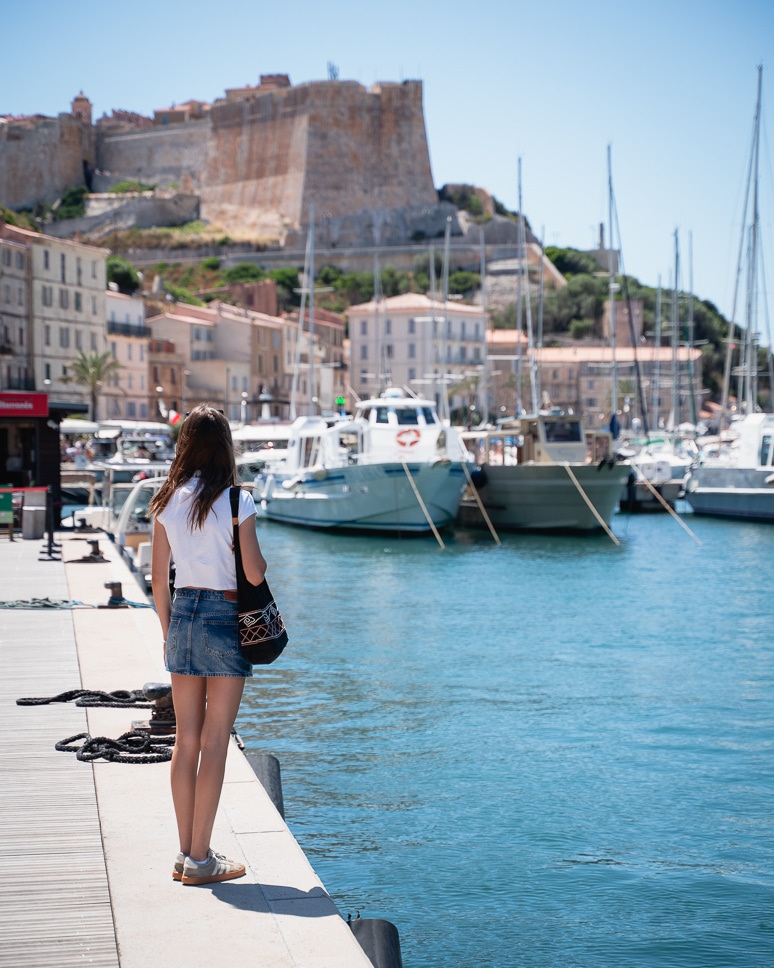
Calvi is arguably one of the most charming and beautiful towns in Corsica. The imposing citadel towers high above the town, offering magnificent views of the bay. Down below, you will find a lively marina with countless restaurants and bars. Then there is the lovely Plage de la Pinède beach, which is a wonderful place for a walk, especially at sunrise or sunset.
Calvi is the kind of place where you plan to stay for just a few hours but end up leaving late—or better yet, stay for a few days, as it is also the ideal base for exploring the charming hilltop villages of the Balagne (such as Lumio, Pigna, and Sant’Antonio) or some beautiful beaches (like Sainte-Restitude and Arinella Lumio).
TIP: L’Île-Rousse is located near Calvi and is a lovely seaside town to visit—or to use as a base for exploring the region. Contrary to what the name suggests, it is not an island; however, there is a small island with a tower just off the coast.
6. Explore the Calanques de Piana
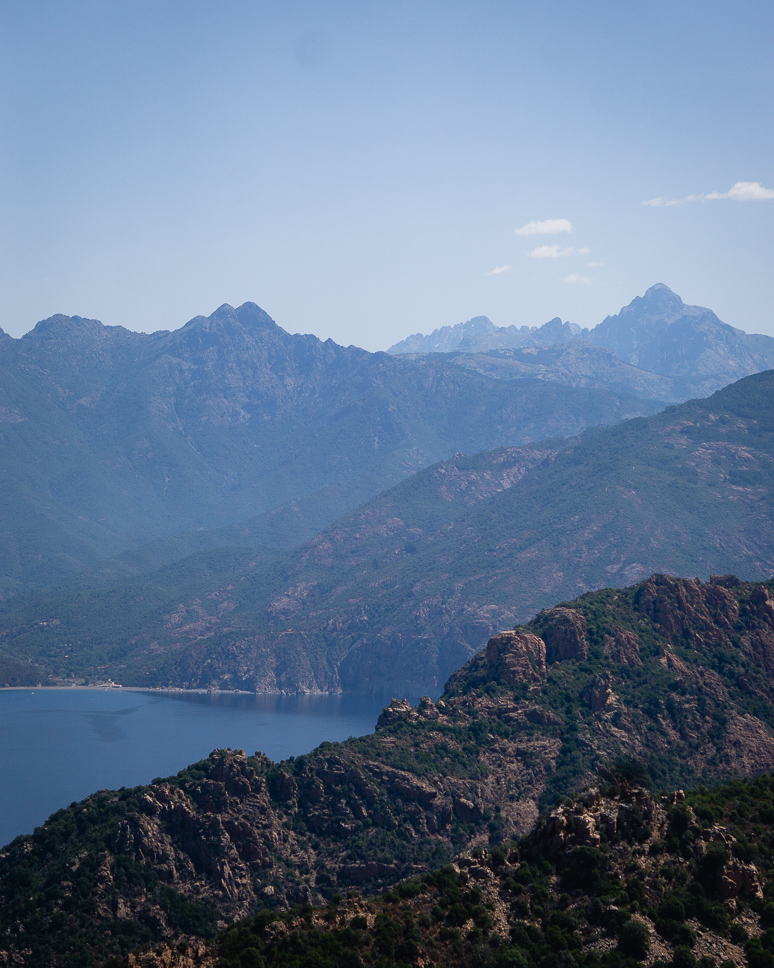
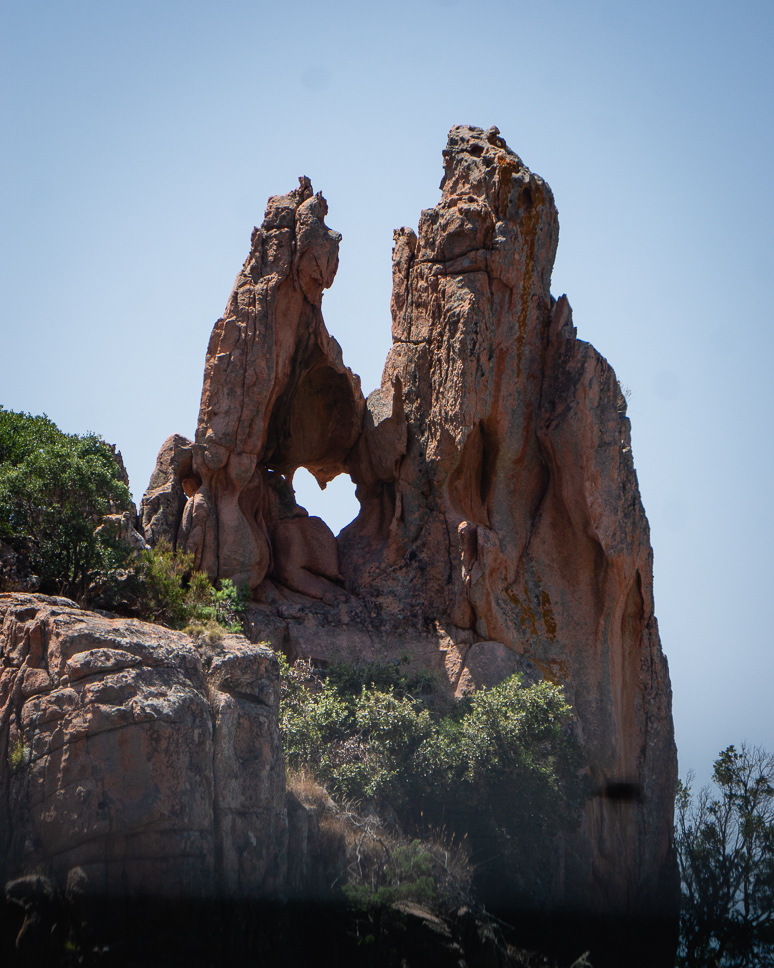
The red granite rock formations of the Calanques de Piana are among Corsica’s most famous sights and were a highlight of our trip to Corsica. The village of Piana itself is small and charming, but the main reason to visit is the incredibly beautiful roads in the surrounding area.
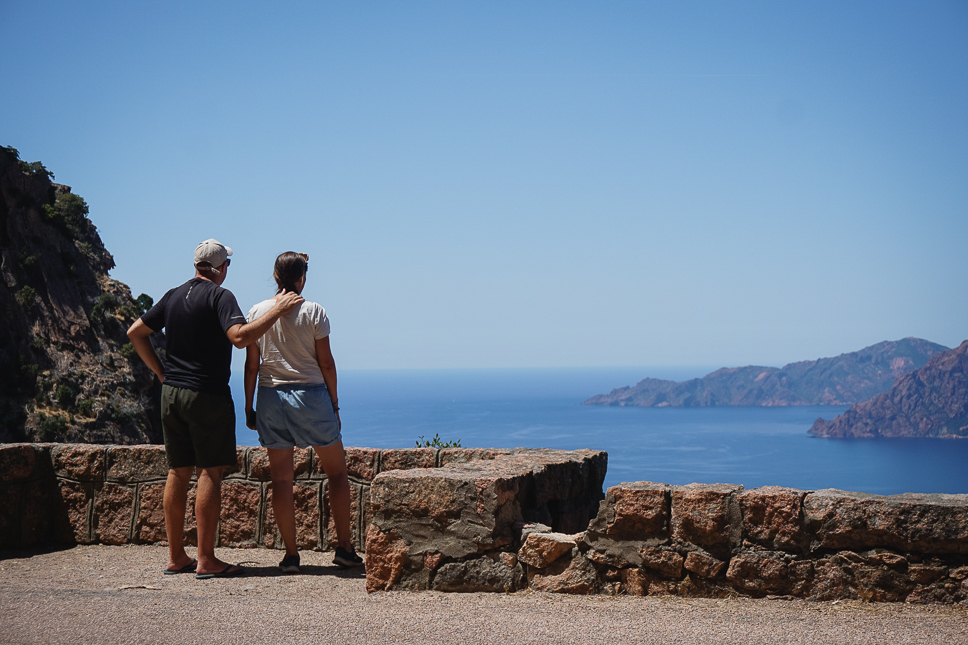
The D81 winds its way through towering rock formations, with a stunning view awaiting around every bend. Be sure to stop frequently along the way. However, keep in mind that these roads are narrow and parking isn’t always easy. The most famous viewpoint is likely the “Heart of Corsica.” Try to visit early in the morning or late in the day, when the light casts a warm red glow over the rocks.
TIP: The Calanques de Piana are also known for the many hikes you can do there. One of the most beautiful is undoubtedly the Sentier Muletier (park at the Stade Municipal de Piana).
7. Enjoy charming Bastia
Bastia is a city you certainly shouldn’t miss during a road trip through Corsica. Its lively harbor and historic center (the Citadel district) make it well worth a stop. The old harbor is a delightful spot: boats, café terraces, and colorful facades instantly create a charming first impression. From there, you can easily head towards the Citadel district, where the atmosphere becomes a bit more tranquil and you can stroll through narrow streets offering lovely views across the city.
The Église Saint-Jean-Baptiste is also beautiful, with its impressive façade and twin towers. And on Place Saint-Nicolas, you can really sense the lively atmosphere of Bastia. This large square, with its palm trees and cafés, is the perfect spot to enjoy an aperitif or take a break from the heat.
Don’t miss the Aldilonda promenade. This walkway winds along the cliff between the citadel and the sea, treating you to stunning panoramic views. It is, after all, one of the most beautiful and popular walks in Bastia.
8. Relax on Corsica’s most beautiful beaches
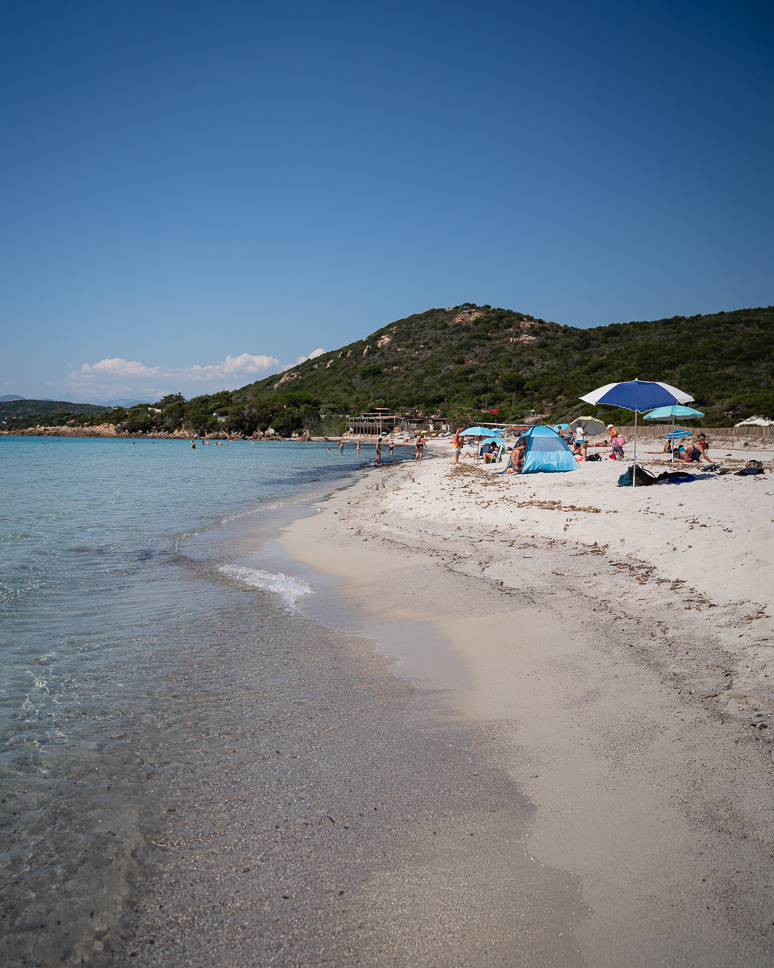
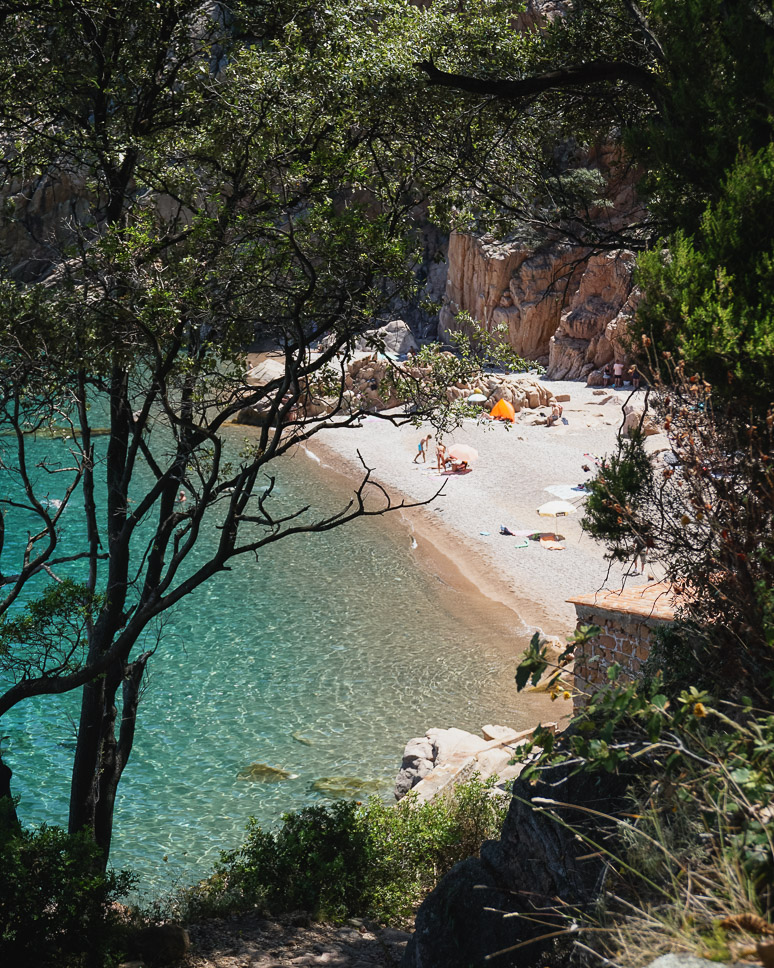
Although Corsica is so much more than just sun and sea, its beaches certainly shouldn’t be missed during your trip. The island boasts an incredible variety of coastal landscapes: from wide sandy beaches with turquoise waters to small, hidden coves where you feel as though you’ve discovered a private paradise.
One of the things that immediately struck us about Corsica is how clear the water is everywhere. The color of the Mediterranean Sea sometimes seems almost unreal, with shades ranging from deep blue to bright turquoise. Be sure to bring a snorkel, too, because there is a surprising amount to discover underwater.
A few beaches worth visiting (though there are many more):
- In the south, you will find some of the most famous beaches, such as Palombaggia Beach (considered by many to be the most beautiful beach in Corsica), Plage de Folaca (near Palombaggia), Saint-Antoine Beach, Plage de Santa Giulia (perfect for families thanks to its shallow water), Plage de Sainte Restitude, and Roccapina Beach.
- In the north: visit Saleccia Beach, Lotu Beach, Plage d’Arone, Plage de Sainte Restitude, or Plage de l’Ostriconi, among others.
- Near Ajaccio: Capo di Feno and Plage de Mare É Sole.
TIP: Near the Calanques de Piana and Capo Rosso, you’ll find a hidden gem and one of Corsica’s most beautiful small beaches: Plage de Ficaghjola. You do have to take a small road down to get there. There is a parking area from which you can walk another 800 meters along a path to the beach.
9. Wander through authentic Sartène
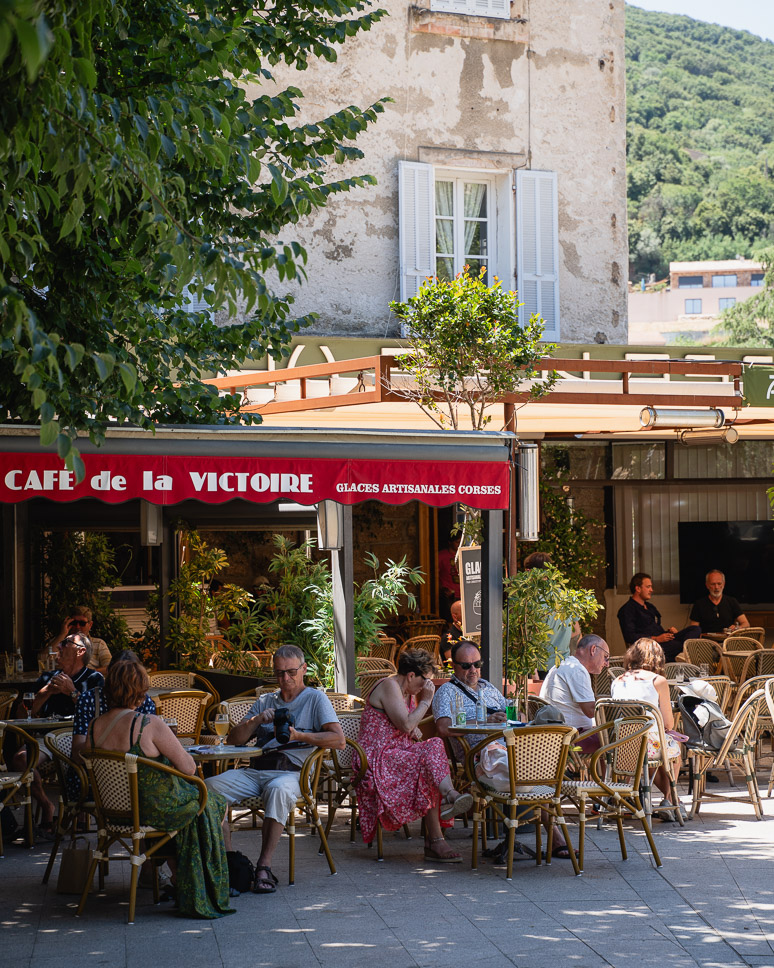
Sartène is often called the most Corsican village in Corsica, and as soon as you walk through its narrow, cobbled streets, you immediately understand why. Spectacularly built against a hillside in the south of the island, the village exudes history and tradition.
To be honest, we found it rather busy and large, whereas mountain villages like Ota or Evisa are the truly sleepy, authentic villages one expects. That certainly doesn’t make Sartène any less worth visiting, however, or any less ideal as a stopover when traveling between Bonifacio and Ajaccio.
Wander past the stone houses, small squares, and cozy cafés, and enjoy the view of the surrounding mountains and valleys. The old quarter, with its dark granite buildings, has a particularly special atmosphere; here, time seems to move a little more slowly. It is not a place for spending hours ticking off major sights (about two hours is enough), but rather a place to stroll around, soak up the ambiance, and get to know the real Corsica.
10. Discover the historic heart of Corsica in Corte
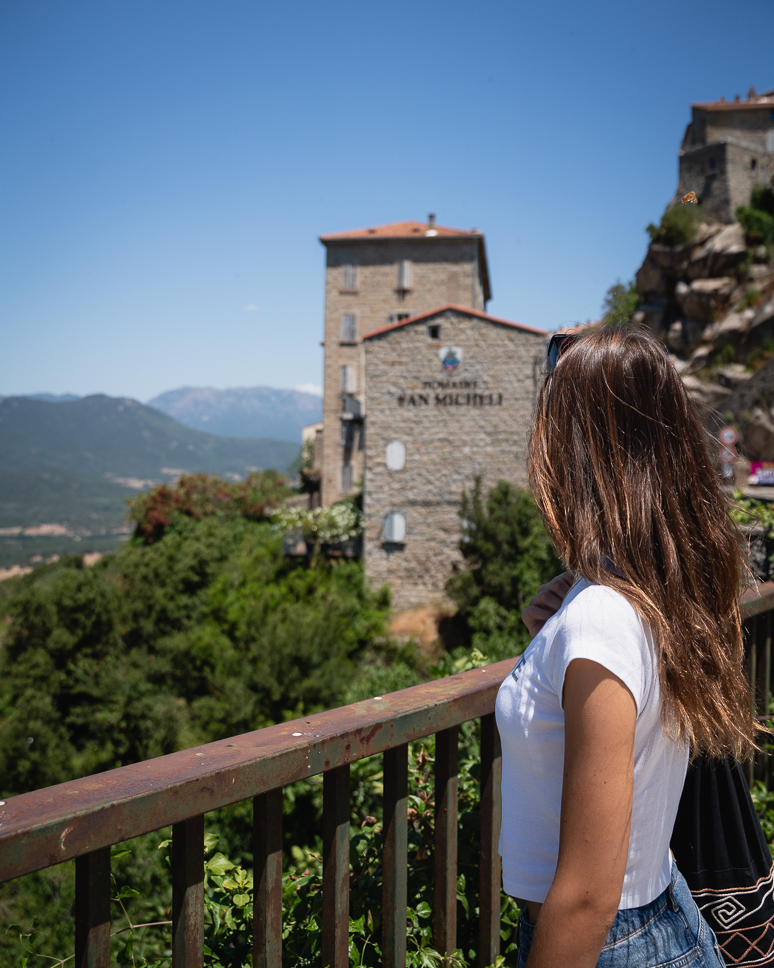
Nestled in the mountains lies Corte, the former capital of Corsica and arguably the island’s most authentic town. While coastal towns like Bonifacio and Calvi are best known for their spectacular seaside locations, Corte introduces you to Corsica’s rugged and historic character.
Stroll through the narrow streets of the old town, visit the impressive citadel towering high above the city, and enjoy the magnificent views of the surrounding mountains. Thanks to the university, there is also a lively, welcoming atmosphere that you won’t find in many other Corsican towns.
TIP: Corte is also an ideal base for nature lovers. Various hiking trails start from the town and lead to the beautiful Restonica and Tavignano valleys, where you can swim in natural pools and enjoy some of Corsica’s most stunning scenery.
11. Admire Pointe de la Parata
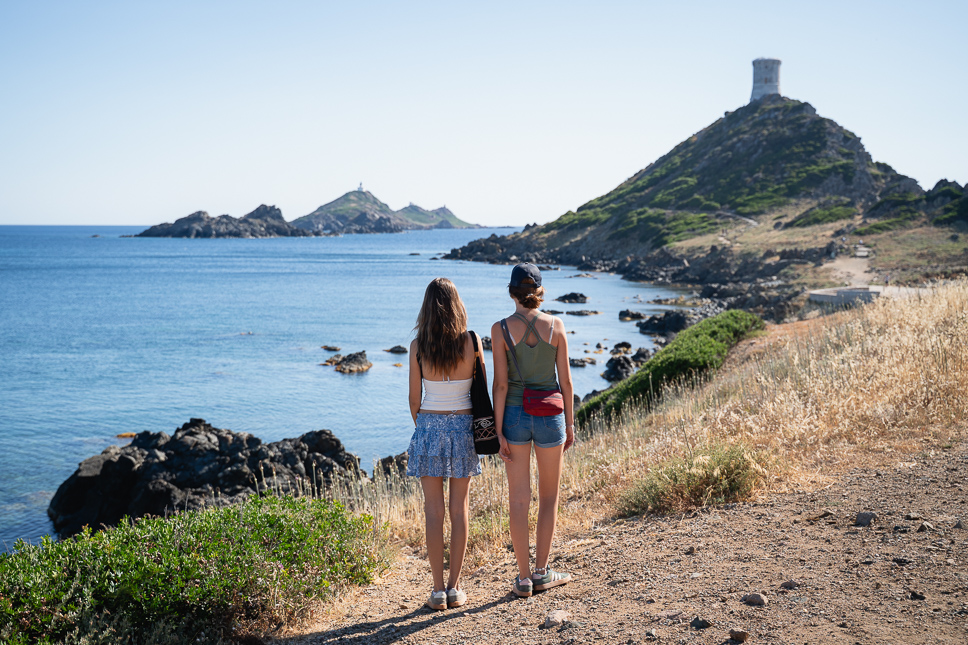
Pointe de la Parata is a unique viewpoint in Corsica that shouldn’t be missed on your road trip. Moreover, it is easily accessible, located just a half-hour drive from Ajaccio. A short but scenic walk, taking about 30 to 45 minutes, leads from the car park to the viewpoint at the tower. Walk along the left side of the hill and return via the other side for even more beautiful views.
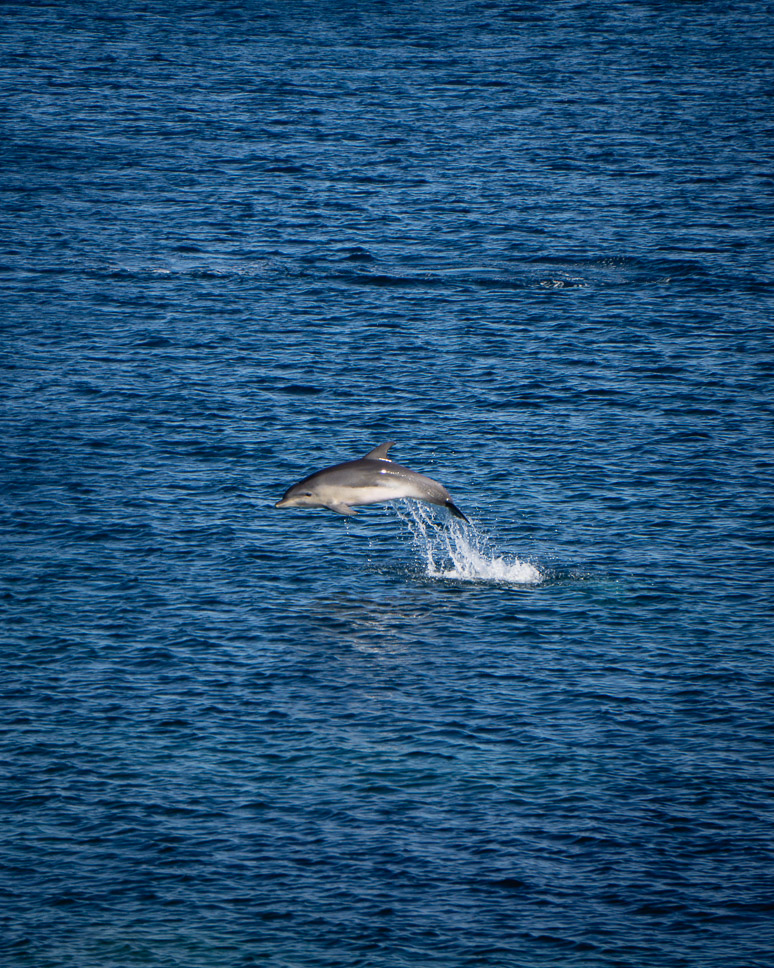
After a strenuous climb to the tower, you are rewarded with a magnificent panorama: the Bay of Ajaccio to the left, the open Mediterranean to the right, and the beautiful Îles Sanguinaires straight ahead. These four uninhabited islets, the largest of which, Grande Sanguinaire, features a lighthouse, and are a protected nature reserve known for their diverse flora and fauna. We were even surprised by a large pod of dolphins!
Boat trips to the Sanguinaires depart regularly from Ajaccio or Porticcio. The trip takes about an hour and takes you past all the islets, with a stop at Grande Sanguinaire where you can visit the lighthouse and the medieval tower, as well as snorkel in the clear water. You can book our favorite sunset boat trip here in advance. Don’t forget to bring water shoes.
TIP: Pointe de la Parata is also known among locals as *the* place in Corsica to watch the sunset. As the sun dips behind the Sanguinaires, the rocky islets turn deep orange and blood-red (which is precisely the reason for their name).
12. Hike (a part) of the GR20
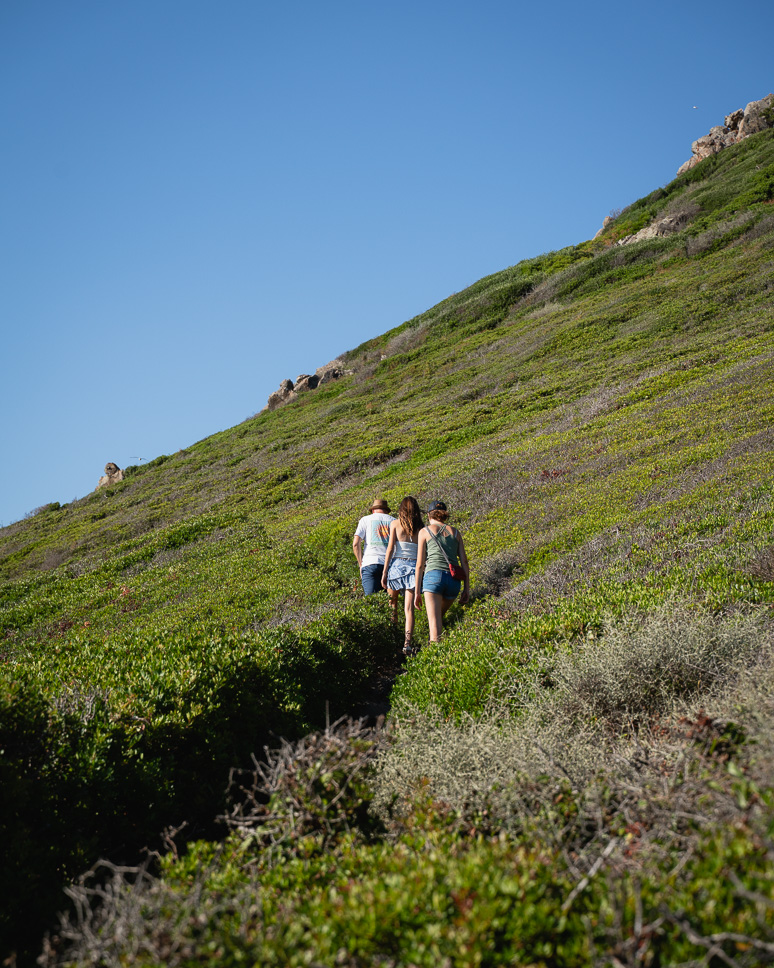
Did you know that Corsica is often called the hiking paradise of Europe? The island is a dream destination for nature lovers, offering hundreds of kilometers of hiking trails through mountains and forests, and past crystal-clear mountain lakes.
Corsica’s most famous hike is undoubtedly the GR20. This legendary long-distance trail traverses the island from north to south and is often considered one of the toughest, yet most beautiful, hiking routes in Europe. The entire trek takes about two weeks and is primarily suited to experienced hikers.
But certainly don’t let that put you off. After all, you don’t have to hike the entire GR20 to enjoy the spectacular scenery. Many travelers choose to hike just one or a few stages of the route. This way, you still get a taste of the impressive mountain landscapes without having to plan a full-scale trek right away.
13. Hike one of the many day trips
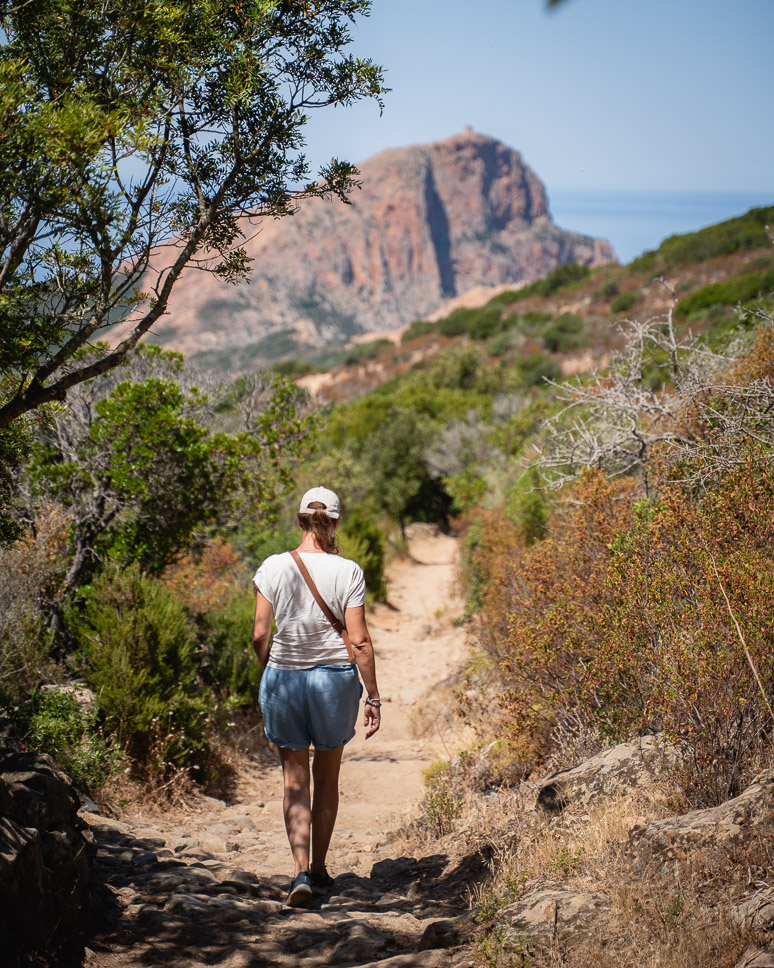
Not an experienced hiker, or simply in the mood for a shorter walk? Fortunately, Corsica has plenty of other beautiful hiking trails to offer. Some well-known or favorite hikes include:
- Capo Rosso: not far from the Calanques de Piana lies this challenging yet beautiful hike, taking about 4 to 5 hours. Be sure to avoid the midday heat, as there is virtually no shade.
- Restonica Valley near Corte: various hikes to beautiful mountain lakes and natural swimming spots. The hike to Lac de Melo (and onwards to Lac de Capitello) is particularly popular and offers spectacular views of the surrounding mountains.
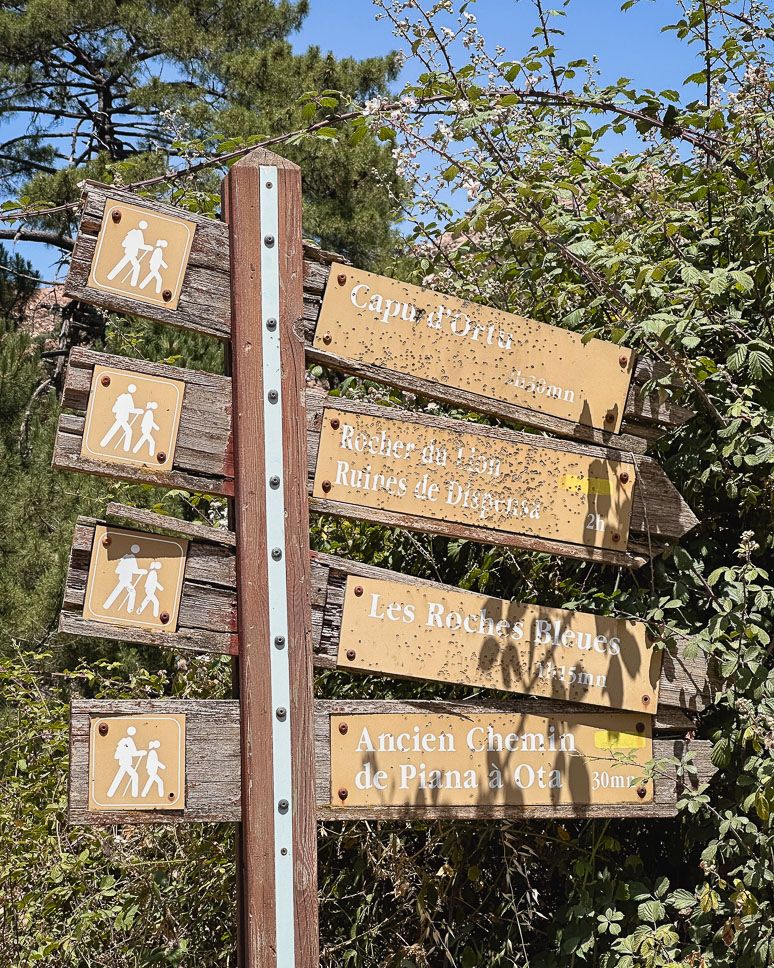
- Sentier des Muletiers: a historic hiking trail (literally meaning “muleteers’ path”) that leads to the mountain village of Ota via the spectacular Calanques de Piana. It takes about two hours to complete.
- Cap Corse: hike the 19 km *Sentier des Douaniers* (Customs Officers’ Path—once used to track down smugglers) between Macinaggio and Centuri. The route takes you through a protected nature reserve, past rugged coastlines, hidden coves, and deserted villages, offering impressive views of the Mediterranean. The hike takes about 6 to 8 hours in total.
- Pointe de la Revellata: a popular, panoramic hike near Calvi. The coastal route leads to a remote lighthouse, taking you through rugged scenery and offering spectacular views of the sea.
- Cascade des Anglais: a relatively easy route that takes you past clear streams and waterfalls—perfect for cooling off on hot summer days.
- Punta di a Vacca Morta: a hike in Corsica that starts near the village of L’Ospédale and leads to the summit at 1,314 meters, offering breathtaking views of both the east and west coasts of Corsica. The route is 7 to 8 kilometers long and takes about 3 hours to complete.
14. Admire the impressive mountain peaks of Aiguilles de Bavella.
One of Corsica’s most spectacular natural areas can be found in the south of the island: the Aiguilles de Bavella. These impressive mountain peaks, also known as the “Needles of Bavella,” form one of Corsica’s most iconic landscapes.
As soon as you drive up the Bavella mountain pass, you immediately understand why this place is so beloved. Jagged granite peaks tower high above the green forests, creating a landscape that feels almost un-Corsican. The winding road leading there is an adventure in itself, with countless viewpoints along the way that make you want to stop again and again.
The surrounding area is also a paradise for hikers. In addition to the GR20, a well-known hike leads to the Trou de la Bombe, a natural hole in the rock face offering spectacular views of the surrounding mountains. The hike takes about two to three hours and is a great choice if you want to experience the impressive scenery of Bavella without undertaking a strenuous mountain trek.
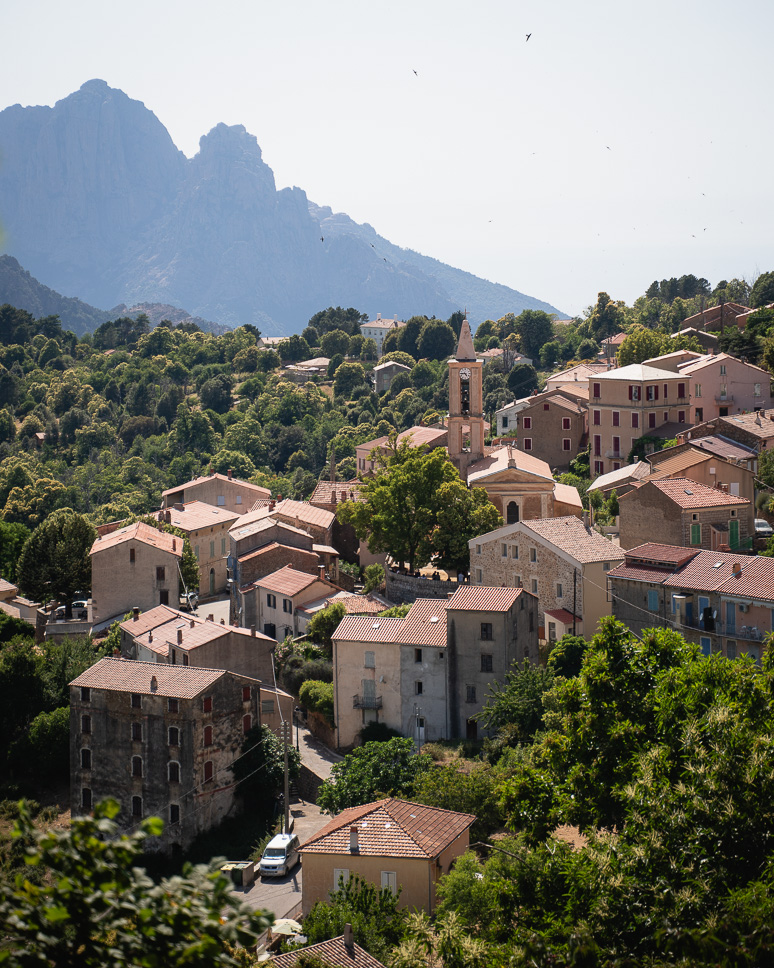
15. Wander through the mountain villages of Corsica
One of the best things to do in Corsica is simply to get lost in the small mountain villages. These villages often seem unchanged for centuries. Narrow alleys, stone houses, and charming squares create an authentic atmosphere. Here, you experience the side of Corsica that many visitors never get to see. Some beautiful mountain villages include Sant’Antonino, Zonza, Piana, Ota, Evisa, Centuri Port, and Pigna.
Sant’Antonino is one of the most beautiful and oldest villages in Corsica. Perched atop a granite hill at an altitude of 500 meters, overlooking olive groves, the lush Balagne plain, and the shimmering Mediterranean Sea car-free village is an absolute must on any Corsican itinerary.
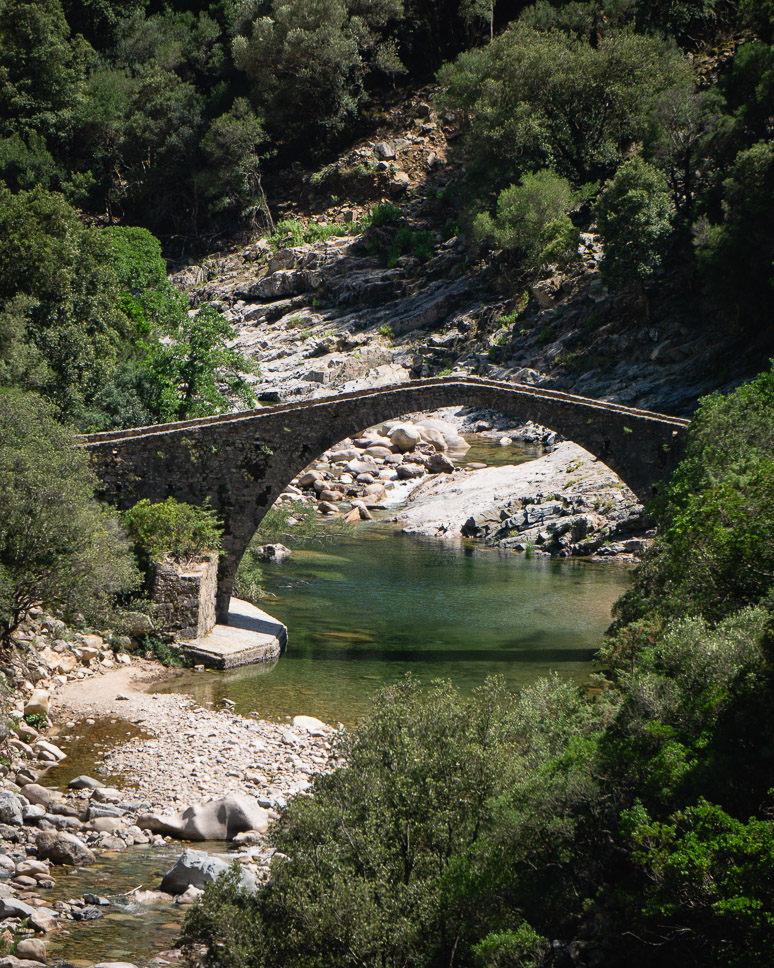
We also visited the two villages of Ota and Evisa, located close to each other near the Calanques de Piana. It doesn’t take long to see everything these sleepy villages have to offer. You come here primarily to soak up the authentic atmosphere, enjoy a drink on a terrace under the trees, and taste a delicious traditional dish. And to go hiking, too, as various trails start here, such as the “Chemin de la Châtaigne” (Chestnut Trail) in Evisa or the “Sentier des Muletiers” (Muleteers’ Path) in Ota.
TIP: Not far from Evisa, you can also go canyoning in the stunning Zoïcu Gorge (also suitable for families). With the same company (Canyon Corse), you can go canyoning in several other spectacular gorges as well (catering to all skill levels).
16. Take a boat trip to the Lavezzi Islands
Just a few kilometers from Bonifacio lie the stunning Lavezzi Islands, one of Corsica’s most beautiful natural areas. This uninhabited archipelago is renowned for its crystal-clear waters, impressive granite rock formations, and idyllic coves. It feels almost as if you have arrived in the Caribbean.
Put on your swimwear and snorkel, find a quiet spot among the rocks, and enjoy a wonderful day in nature. Moreover, the Lavezzi Islands are a protected nature reserve, allowing you to enjoy pristine landscapes and a remarkable underwater world.
As far as we’re concerned, a boat trip to these paradise islands (which you can book here in advance) is an absolute must during your trip to Corsica.
TIP: Do you enjoy boat trips? Corsica has many places where you can take one, such as at Saleccia Beach and Lotu Beach, or from Calvi to Scandola.
17. Taste the delicious local Corsican specialties
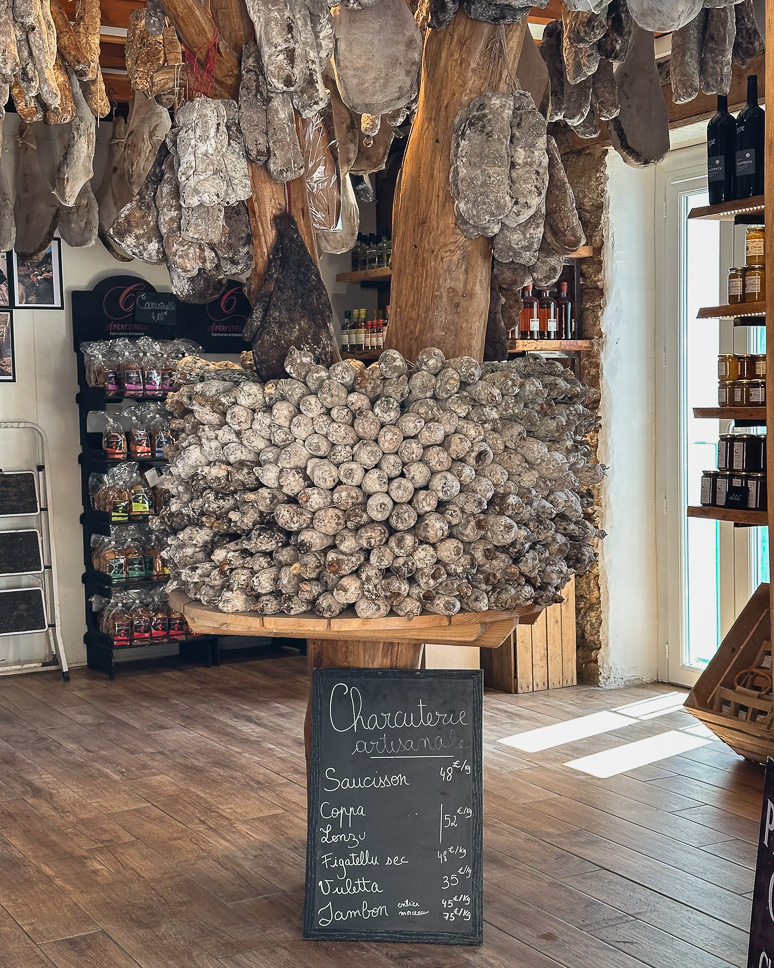
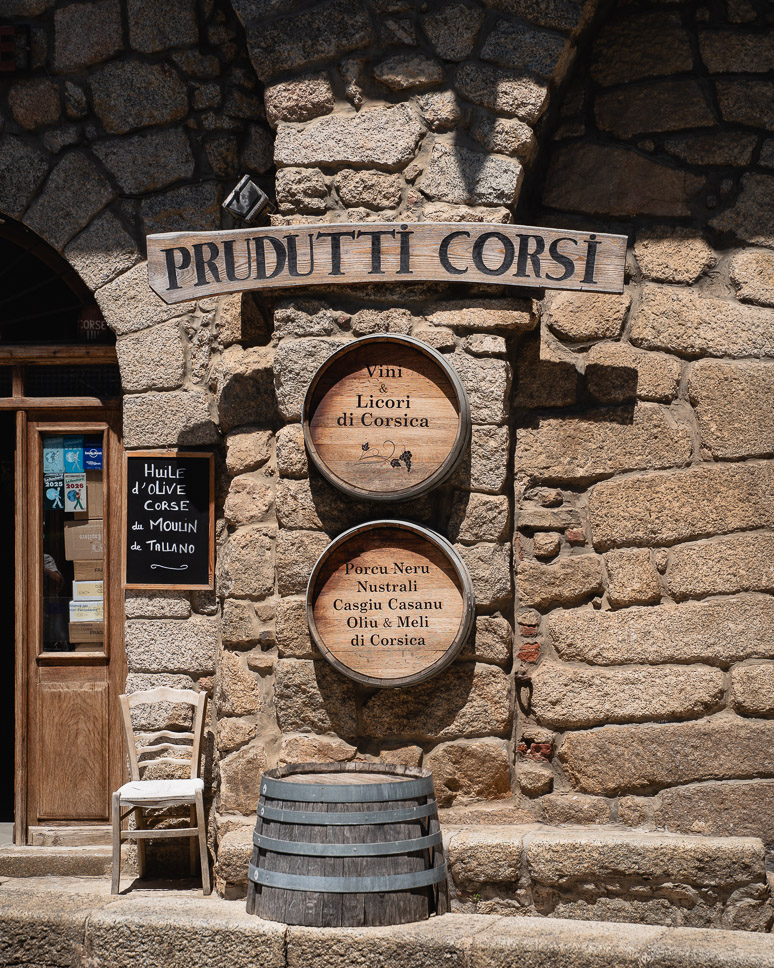
A trip to Corsica is not complete without discovering the local cuisine (which really does differ from that of mainland France). Corsican gastronomy is a delicious blend of French and Italian influences, complemented by centuries-old island traditions.
Be sure to sample famous cured meats like “figatellu” (spiced liver sausage) and “lonzu” (cured pork loin). Enjoy local cheeses such as “brocciu“, made from sheep’s and goat’s milk. And try “canistrelli“—classic Corsican biscuits that pair perfectly with a cup of coffee. Chestnuts also play a key role in Corsican cuisine, featuring in beer (such as Pietra), flour, and various desserts.
End your day on a cozy terrace with a glass of local wine and a plate full of regional specialties. Or try typical dishes like “Civet de sanglier” (wild boar stew) or “Aziminu” (Corsican bouillabaisse). And, of course, the delicious fresh fish and seafood are not to be missed. After all, one of the best ways to discover Corsica is simply to sit down at the table and taste everything the island has to offer.
Practical tips for a trip to Corsica
Are you still planning your trip to Corsica? Here are a few quick tips for the perfect (road) trip!
- Best time to visit Corsica: April–June and September–October offer pleasant weather, fewer crowds, and the best conditions for hiking. There is more to do in the summer, but it can be crowded and hot.
- How to get to Corsica: you typically fly to Ajaccio (west) or Bastia (north), depending on which region you want to explore first (book your cheap tickets here). Traveling from Belgium, a combination of a flight and a rental car is the easiest option, but you can also take the ferry from Marseille, Toulon, or Nice.
- Getting around Corsica: a rental car is highly recommended, as many attractions are spread out and public transport is limited (we always book our car through Sunnycars). Be sure to read our article on renting a car and driving in Corsica first.
- Where to stay in Corsica: choose Ajaccio or Bastia as a base for your first or last night, and opt for characterful stays in Piana, Calvi, L’Île-Rousse, or Bonifacio if you want to stay among the most beautiful villages.
- Fun activities in Corsica: discover the island from the water on a beautiful boat trip, or take the adventurous route by going canoeing, taking a Jeep tour, or canyoning in the stunning gorges.
- Stay connected: you don’t need to worry in France—you can simply use your data from Belgium or the Netherlands.
A few more frequently asked questions about Corsica
- Is it safe in Corsica? Yes, it certainly is. The biggest dangers are probably the mountain roads and the summer heat.
- Is Corsica expensive? Corsica is not the cheapest destination in Europe. Everything is quite pricey, especially during peak season; rental cars, hotels, and coastal restaurants, in particular, are more expensive.
- How many days do you need for Corsica? Do you want to visit most of the island? Then you will need at least 10 days to two weeks (or even three weeks if you also want to plan some hikes). If you only have a week, it is best to choose which region you want to visit.
Our unfiltered opinion on Corsica
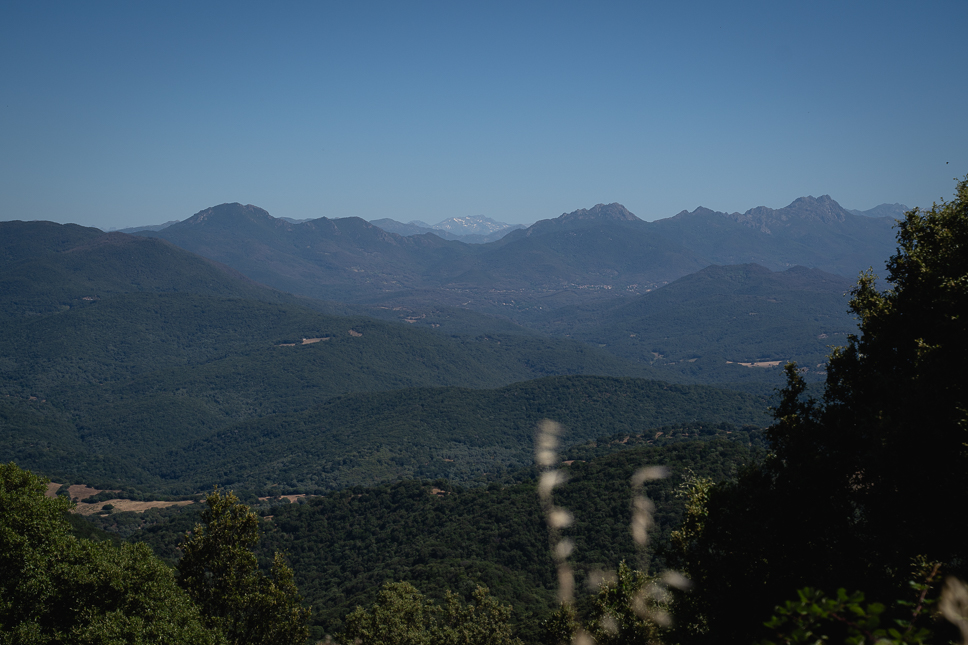
Corsica really took us by surprise. The mix of nature, culture, and relaxation makes for a wonderful holiday. In a single day, you can go for a hike in the mountains and then relax by the sea finishing it all off with a delicious meal on a terrace in a charming town.
It is somewhat busier along the coast and in the south (especially during the peak summer season), but there are plenty of beaches for everyone. Once you head inland, however, it is less crowded. The villages, in particular, are charming and authentic, and have not yet been overrun by mass tourism. Be sure to bring sturdy walking shoes, as there are wonderful hikes to be enjoyed on Corsica—though you do need to take the heat into account.
Je hebt wel een auto nodig, en moet voldoende tijd inplannen tussen bestemmingen want je doet vrij lang over de afstanden (zeker in de bergen). Probeer dus niet om alles in één week te proppen, en geniet ook van de traagheid van dit prachtige eiland! Happy travels!
