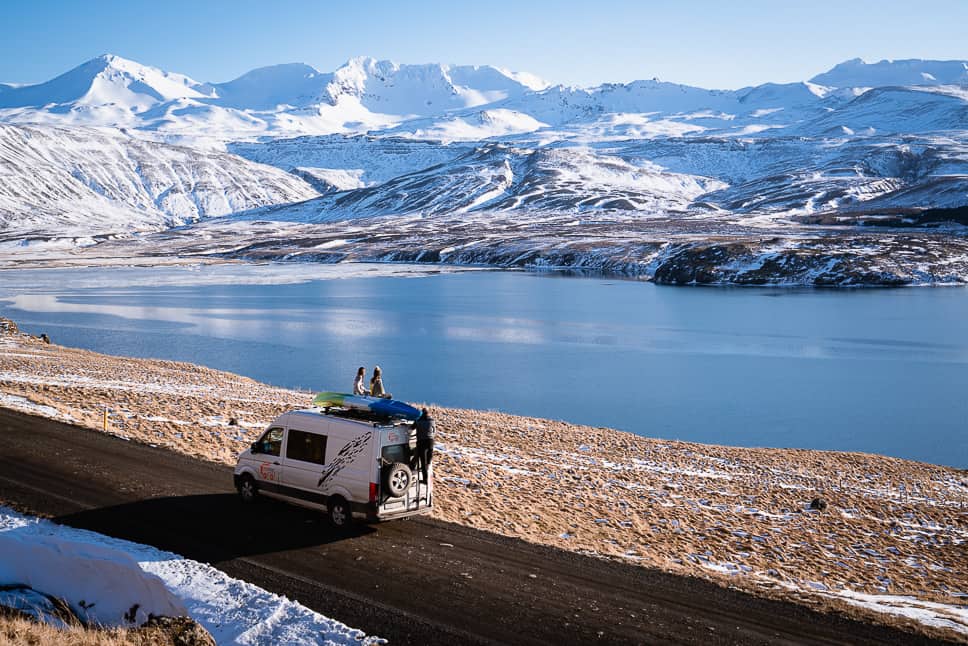
Discover Iceland: a 10-day Itinerary
When you start planning a road trip in Iceland, your heart begins to beat faster even before you set foot on land. Iceland is one of the most iconic destinations in Europe – perhaps even in the entire world – and it’s something you absolutely have to experience at least once in your life!
We traveled through Iceland for four weeks and took a road trip along the Ring Road, the iconic route that circles the entire island. Along the way, we passed some of the most beautiful sights and a few of Iceland’s hidden gems. Think of overwhelming nature—volcanoes, glaciers, lava fields, waterfalls, hot springs—as well as charming towns, villages, and many churches.
Whether you’re traveling with your family (as we did), with your partner, or going on a solo adventure, a road trip is the best way to experience the real Iceland: the freedom of the road, the unpredictable weather, and the feeling that a new wonder awaits around every corner.
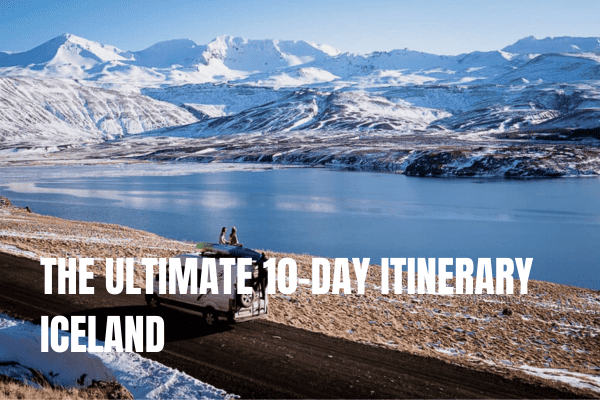
Based on our journey, we’ve created the ideal 10‑day or 2‑week Iceland itinerary along the Ring Road, perfect for truly experiencing Iceland’s magic. In this travel guide, we share breathtaking stops, practical tips, some of the best activities in Iceland, and our own experiences along the way.
Practical tips for a road trip through Iceland
Don’t have much time to read the full article right now? Here are a few quick tips for planning your trip to Iceland. Later in this travel guide, we’ll explain everything in detail.
- Best time to visit Iceland: May, June, September, October (November–February for the Northern Lights).
- How to get to Iceland: Fly to the international airport near Reykjavik (look for cheap tickets via Cheaptickets). From there, take a bus or private transfer to Reykjavik. Alternatively, take the ferry from Denmark via the Faroe Islands to Seyðisfjörður in East Iceland (possible with your own car).
- Getting around in Iceland: Rent a car (we use Sunnycars) or travel by camper van (like we did with CampEasy). Without your own vehicle, you’ll need to book expensive tours, as public transport is limited.
- Where to stay in Iceland: Top spots in South Iceland include Reykjavik, Selfoss, Vik, and Höfn. In the north, Akureyri is a great option. There are also many amazing nature‑based stays throughout the country. Check our article with unique accommodations in Iceland.
- Local dishes you shouldn’t miss: Skyr (thick Icelandic yogurt), Harðfiskur (dried fish snack), Kjötsúpa (lamb and vegetable soup), Pylsa (Icelandic hot dog), Rúgbrauð (dark rye bread), Hákarl (fermented shark), Plokkfiskur (creamy fish stew)
- Most beautiful sights in Iceland: Reykjavik, Blue Lagoon, Skogafoss, Reynisfjara, Thingvellir National Park, Kirkjufell, Mývatn, Jökulsárlón, Vatnajökull National Park, and more.
- Fun activities in Iceland: Northern Lights spotting, visiting an ice cave, whale watching, glacier hiking, and snorkeling between tectonic plates.
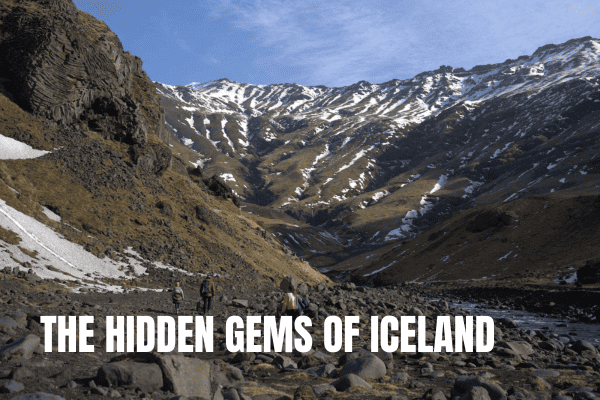
- Hidden gems: Seljavallalaug, Keldur turf houses, Fjaðrárgljúfur, the black church of Búðir, Vestrahorn.
- Stay online: Buy an eSIM for Iceland (5% discount) to stay connected everywhere.
- Budget tip: Reduce transaction fees by using a free Wise account linked to a debit card. Ask a free Wise Card here.
Andere veelgestelde vragen:
Why is Iceland so famous?
Iceland is called the land of ice and fire for a reason and is especially known for its incredible natural beauty. Volcanoes, glaciers, waterfalls, the Northern Lights, black lava beaches, hot springs, and so much more have made Iceland one of the most popular travel destinations in the world.
How big is Iceland?
Although it may look small on the map, Iceland is the second largest island in Europe, after Great Britain, and 3 to 4 times the size of the Netherlands and Belgium.
Is Iceland expensive?
Yes, Iceland is definitely known as one of the more expensive destinations. Food, accommodations, and tours in particular are pricey. But with smart planning, cooking for yourself, camping, and shopping at supermarkets, you can save a lot.
Do you need a 4×4 in Iceland?
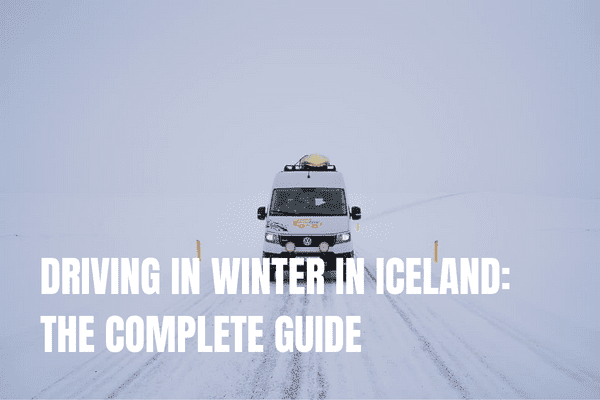
For the Ring Road, a regular car is usually enough, especially in summer. If you want to explore the highlands (F-roads), a 4×4 is mandatory. If you plan to drive in winter, a 4×4 is highly recommended even for regular roads, due to icy conditions. We went camping in winter with a 4×4 camper van.
What is the cheapest month to visit Iceland?
As mentioned earlier, Iceland is not the cheapest destination. If you still want to travel more affordably, choose to visit Iceland in winter. The months January to March are the cheapest, because there are fewer tourists and therefore prices for accommodations, transport, and tours drop.


Overview of the Iceland road trip by day
How many days do you need for a road trip through Iceland?
How many days do you need to explore Iceland? That depends a bit on your travel plans and on the season.
In summer, you can drive the entire Ring Road in about 10 days. The days are long with plenty of daylight, and the roads are easy to navigate, allowing you to cover many kilometers. But to be honest, 10 days feels quite rushed. You’ll be driving a lot and have less time to truly enjoy all those amazing stops.
That’s why we recommend 2 weeks (or more) to complete the full Ring Road, so you can slow down, make extra detours, and avoid feeling rushed all the time.
If you’re traveling in winter, 10 days is really too short for the Ring Road: there’s very little daylight, the roads can be icy or even closed, and you simply can’t cover as many kilometers. Two weeks is the absolute minimum.
If you only have 10 days (or less) and want to take things more relaxed, which is also how we prefer to travel, then a road trip through South Iceland is a fantastic idea. That region alone is packed with highlights—from waterfalls to black sand beaches and glaciers—and gives you the chance to enjoy everything at your own pace.
Example itinerary Iceland Ring Road
Is 10 days enough for Iceland?
Itinerary Iceland 10 days
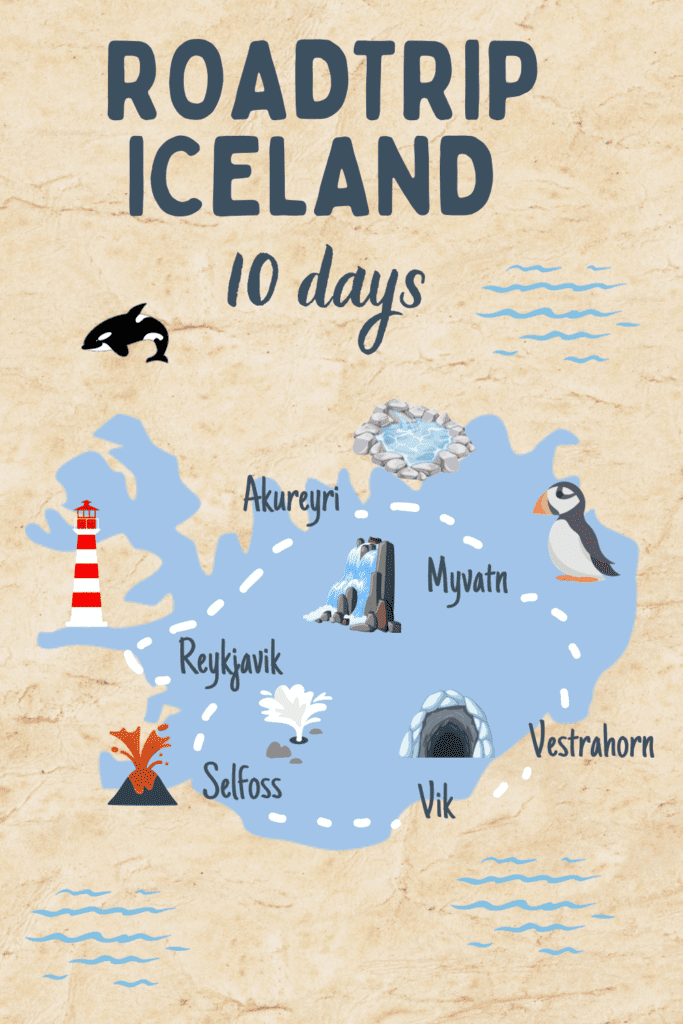
Day 1 – Arrival in Reykjavik & Blue Lagoon: Arrival in Keflavík, optional visit to the Blue Lagoon. Overnight: Reykjavik. Distance: ± 31 miles.
Day 2 – Golden Circle: Thingvellir National Park, Geysir, and Gullfoss. Overnight: near Selfoss. Distance: ± 143 miles.
Day 3 – South Coast of Iceland part 1: Seljalandsfoss, Skógafoss, Dyrhólaey, and Reynisfjara (black sand beach). Overnight: Vik. Distance: ± 124 miles.
Day 4 – South Coast of Iceland part 2: Skaftafell and Vatnajökull National Park, glacier hikes, Jökulsárlón glacier lagoon, Stokksnes beach. Overnight: Höfn. Distance: ± 174 miles.
Day 5 – Eastfjords: Scenic drive along fjords and fishing villages (Djúpivogur, Seyðisfjörður). Overnight: Egilsstaðir. Distance: ± 162 miles.
Day 6 – Mývatn: Dettifoss (the most powerful waterfall in Europe), Hverir (geothermal area), Lake Mývatn. Overnight: Mývatn or Húsavík. Distance: ± 155 miles.
Day 7 – Húsavík & Akureyri: Whale watching in Húsavík, Godafoss, then onward to Akureyri (the “capital of the north”). Overnight: Akureyri. Distance: ± 75 miles.
Day 8 – Northwest Iceland: Visit Akureyri, drive along fjords and valleys, visit horse farms. Overnight: Stykkishólmur. Distance: ± 217 miles.
Day 9 – Snæfellsnes Peninsula: Road trip around the entire peninsula (including Kirkjufell). Overnight: Reykjavik. Distance: ± 155 miles.
Day 10 – Reykjavik & departure: Explore the city, pick up final souvenirs, and fly back home. Distance: ± 31 miles.
Itinerary Iceland 14 days
Day 1 – Arrival Reykjavik & Blue Lagoon: Arrival in Keflavík, optional relaxing in the Blue Lagoon, explore Reykjavik. Overnight: Reykjavik. Distance: ± 31 miles.
Day 2 – Golden Circle: Thingvellir National Park, Geysir, and Gullfoss. Overnight: near Selfoss. Distance: ± 143 miles.
Day 3 – South Coast of Iceland part 1: Seljalandsfoss, Skógafoss, Dyrhólaey and Reynisfjara (black sand beach). Overnight: Vik. Distance: ± 124 miles.
Day 4 – South Coast of Iceland part 2: Hiking in Skaftafell and Vatnajökull National Park, Svartifoss waterfall, possible glacier tour. Overnight: Kirkjubæjarklaustur. Distance: ± 87 miles.
Day 5 – South Coast of Iceland part 2: Visit Fjallsárlón and Jökulsárlón glacier lagoons, Diamond Beach, Vestrahorn & Stokksnes beach. Overnight: Höfn. Distance: ± 124 miles.
Day 6 – Eastfjords: Scenic drive along fjords and fishing villages (Djúpivogur, Seyðisfjörður). Overnight: Egilsstaðir. Distance: ± 162 miles.
Day 7 – Mývatn: Stop at Dettifoss and the Ásbyrgi canyon, explore Lake Mývatn and Hverir. Overnight: Mývatn or Húsavík. Distance: ± 155 miles.
Day 8 – Húsavík: Whale watching in Húsavík, relaxing in the GeoSea baths. Overnight: Húsavík. Distance: ± 31 miles.
Day 9 – Akureyri: Drive to Akureyri (the “capital of the north”), Godafoss waterfall, explore the charming town and surroundings. Overnight: Akureyri. Distance: ± 47 miles.
Day 10 – North Coast & Skagafjörður: Drive along fjords and valleys, visit horse farms. Overnight: Skagafjörður. Distance: ± 87 miles.
Day 11 – Snæfellsnes Peninsula (west): Snæfellsjökull National Park, Arnarstapi, Kirkjufell. Overnight: Stykkishólmur. Distance: ± 199 miles.
Day 12 – More Snæfellsnes: Relaxed day exploring beaches, lava formations and small fishing villages. Overnight: Borgarnes or again Stykkishólmur. Distance: ± 93 miles.
Day 13 – West Iceland: Visit Hraunfossar & Barnafoss, Deildartunguhver (hot spring). Overnight: Reykjavik. Distance: ± 112 miles.
Day 14 – Reykjavik & departure: Explore the capital one last time and return to Keflavík for your flight. Distance: ± 31 miles.
Read on for more details about the various stops on these Iceland itineraries. If you’d like to cover a shorter distance, check out our articles on a South Iceland road trip and the Snæfellsnes Peninsula.

what is the Best time to travel to iceland
The best time to visit Iceland is different for every traveler, depending on what you want to see and your budget. For many people (including us), the best time to visit Iceland is May and September. During these months, the weather is mild and you can enjoy all the beautiful sights without the large crowds.
In summer (June–August), you can enjoy the midnight sun, green landscapes, and well‑accessible roads. It’s perfect for a road trip along the Ring Road or even the off‑road highland routes. It is, however, much busier, and the prices for accommodations, transport and tours are significantly higher.
In winter (September–April), you have the chance to see the Northern Lights and experience Iceland in a magical snowy setting. It’s less crowded everywhere and prices are lower, especially from January to March.
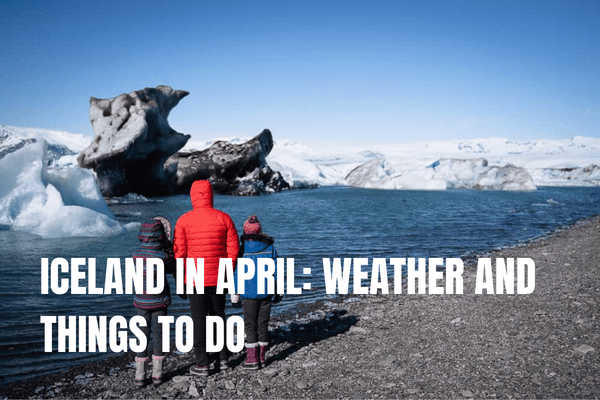
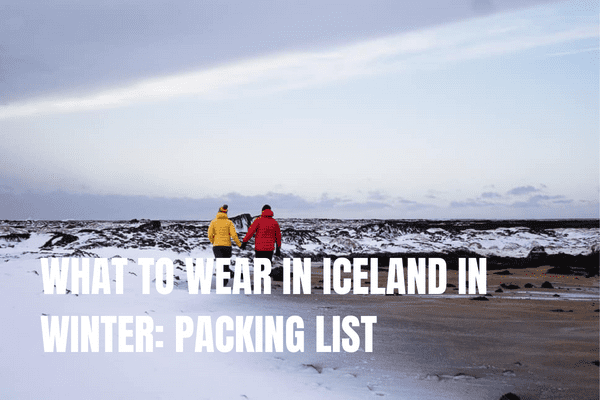
We visited Iceland in April. The number of tourists and the prices were manageable. The weather was unpredictable, with some beautiful days but also cold, snowy conditions. Luckily, with the right clothing and gear, this was no problem at all.
Read more: What to wear in Iceland from October to April
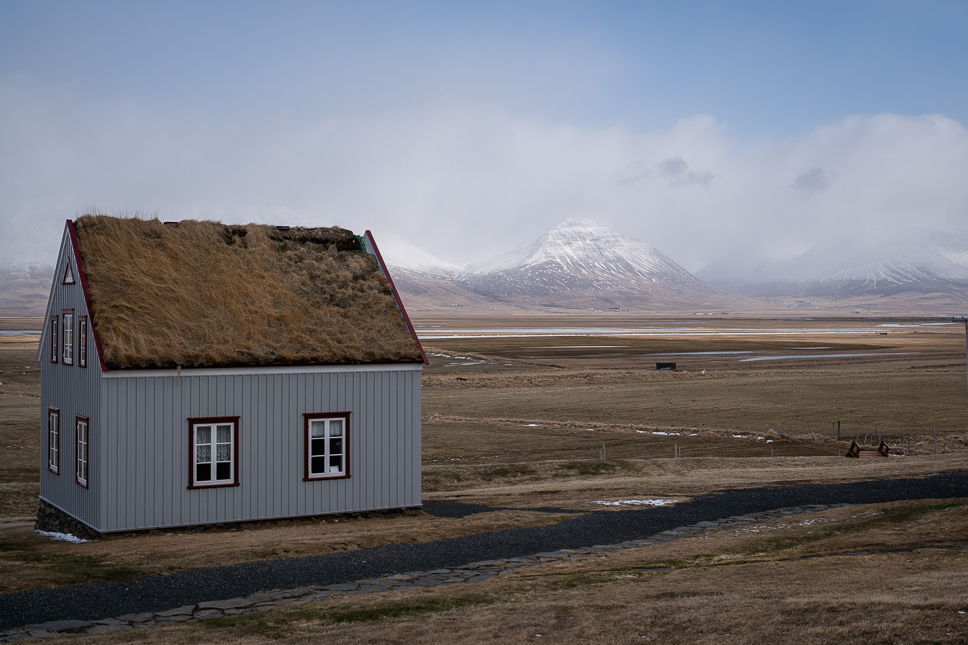
How do you get to Iceland?
Traveling to Iceland is surprisingly easy. You fly directly to Keflavík International Airport, about a 45‑minute drive from the capital, Reykjavik. From many European cities such as Brussels, Amsterdam, Paris, and London, daily flights depart, and the journey often takes less than four hours.
Once you’ve landed, you can immediately pick up your rental car or camper and start your adventure. If you’re staying in Reykjavik first, you can take the Flybus (the cheapest option) or a private shuttle bus to the capital.
TIP: For true adventurers, there’s also the option to take the ferry from Denmark to Seyðisfjörður in East Iceland. This iconic ferry (which also stops at the Faroe Islands) takes a bit longer, but you can bring your own car or camper.
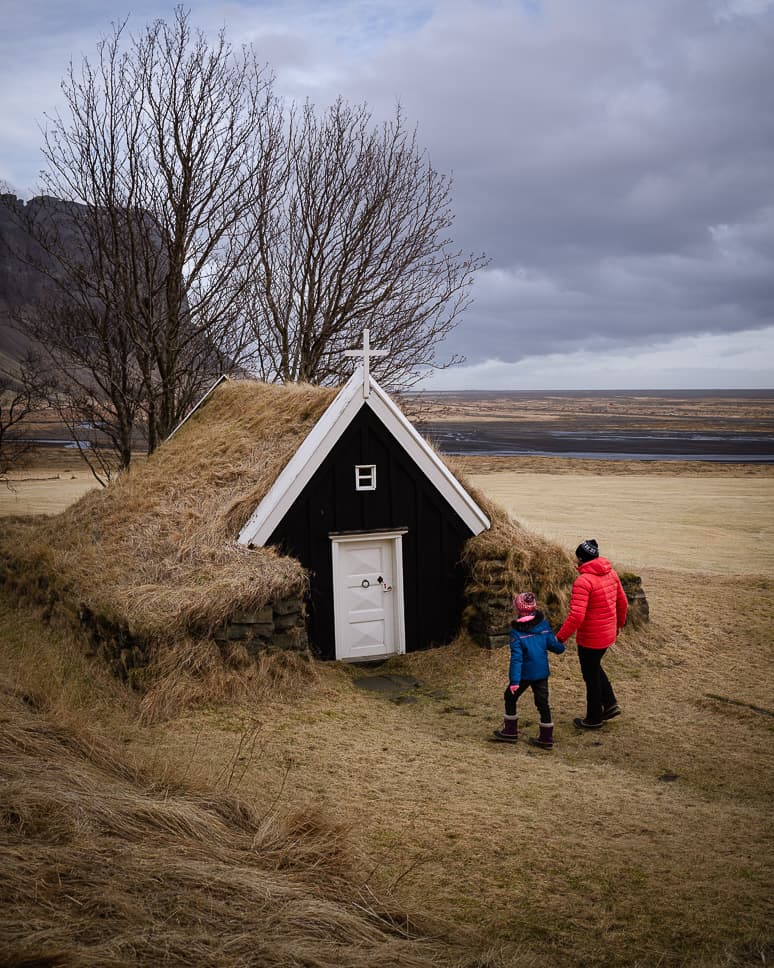

How do you travel around in Iceland?
Once you’re in Iceland, the real adventure begins: traveling around! We highly recommend renting a car. The freedom to stop at a waterfall or lava field whenever you want is priceless.
TIP: We always rent our car through Rentalcars. You can easily compare prices on the platform
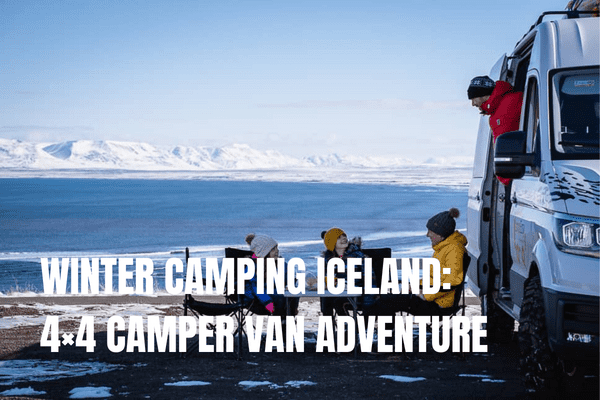
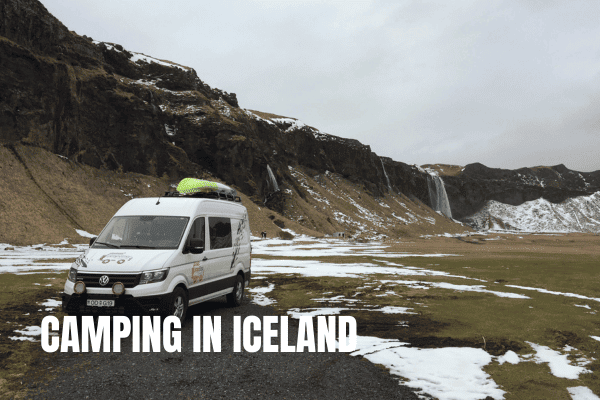
For those looking for even more adventure, a camper is a fantastic option. You combine transportation and accommodation, and you often wake up right in the middle of nature. You can also cook your own meals more easily, which saves a lot of money. We traveled through Iceland with a camper from CampEasy and absolutely loved it!
Read more: Road trip with a 4×4 camper in Iceland in winter
Prefer not to drive yourself? In downtown Reykjavik, you can use the local yellow city buses. Outside Reykjavik, there are bus connections between the larger towns, but it’s not easy to plan a full Iceland road trip that way. There are, of course, many organized tours, but they are quite expensive.
Read more: Driving in Iceland: everything you need to know

ITINERARY ICELAND
Reykjavik
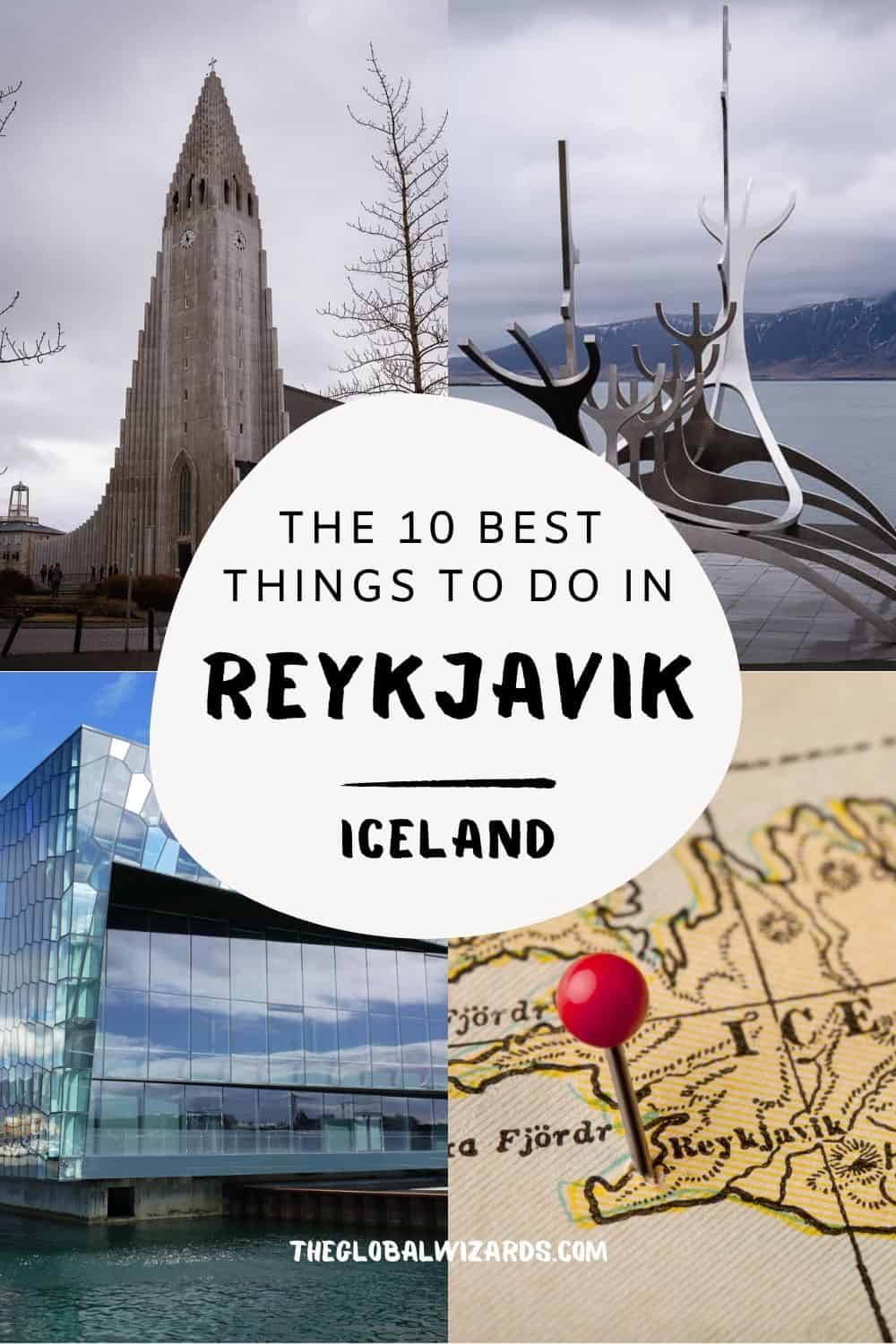
Reykjavik immediately feels like a breath of fresh air: small enough to be cozy and easy to explore, yet full of energy. It’s the northernmost capital in the world, and still it radiates warmth with its colorful houses, hip coffee bars, and creative street art.
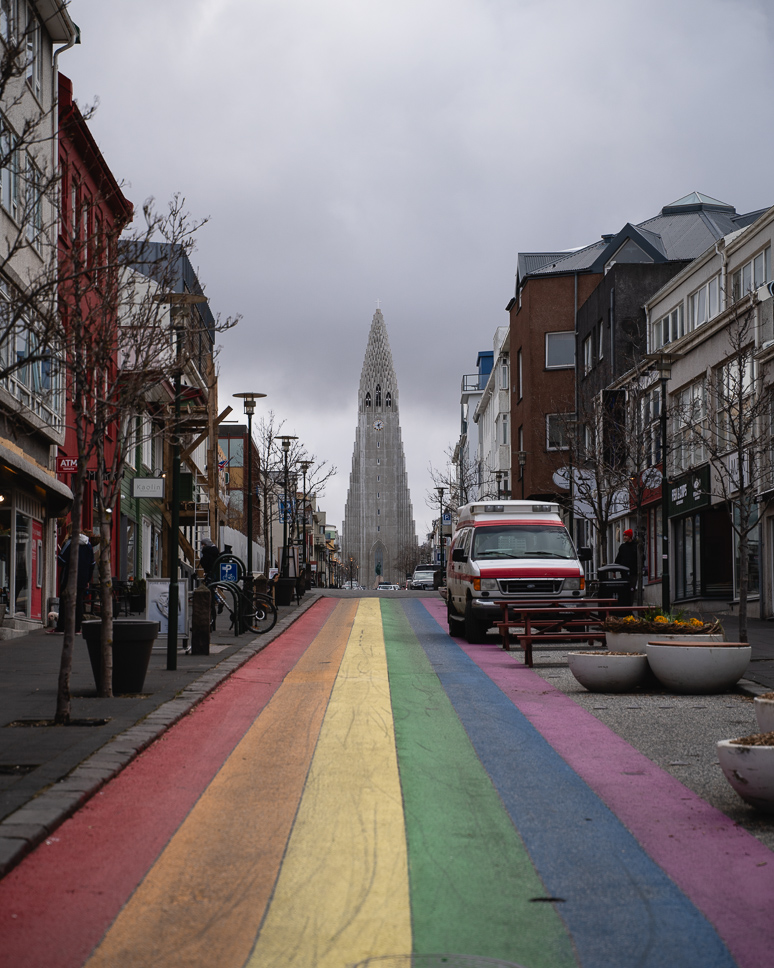
We loved wandering around the harbor, checking out the modern Harpa concert hall, or looking up at the iconic Hallgrímskirkja towering proudly over the city.
And then there’s the food scene: from fresh fish and funky food trucks to the legendary hot dogs that every Icelander (and tourist) tries at least once. Reykjavik may not be big, but it is packed with character. The perfect place to start or end your Iceland adventure.
Read more: Things to do in Reykjavik

Blue Lagoon and Grindavik (Fagradalsfjall vulcano)
The Blue Lagoon is a geothermal spa located in the southwest of Iceland, surrounded by moss‑covered lava fields. It is one of Iceland’s most famous attractions. The naturally heated, mineral‑rich water gives off a glowing blue color, and together with the steam drifting over the surface, it creates a stunning experience.
Grindavik is a small town on the south coast of Iceland, not far from the Blue Lagoon. Although it’s not very big, Grindavik is a charming place with a rich fishing history. It’s well prepared for tourists and is especially known for its proximity to the Fagradalsfjall volcano, which has erupted regularly since 2021.
In recent years, Grindavik has been affected by increased volcanic activity in the Reykjanes Peninsula. Periodic earthquakes and eruptions have led to temporary evacuations and damage in certain areas. Conditions change frequently, so it’s important to check the latest travel advisories and local updates before visiting. Despite this, access to nearby attractions—such as the Blue Lagoon and the volcanic sites—is often reopened as soon as it’s considered safe.
We were among the lucky ones, because during our Iceland trip it was erupting as well. If that’s the case during your visit, you definitely shouldn’t miss it! You can check the current situation on this website


Golden Circle
The Golden Circle is the perfect first introduction to Iceland’s natural beauty. This popular route is a must if you’re visiting Iceland for the first time. It’s a short but impressive road trip that takes you in a single day past some of the country’s most famous natural wonders.
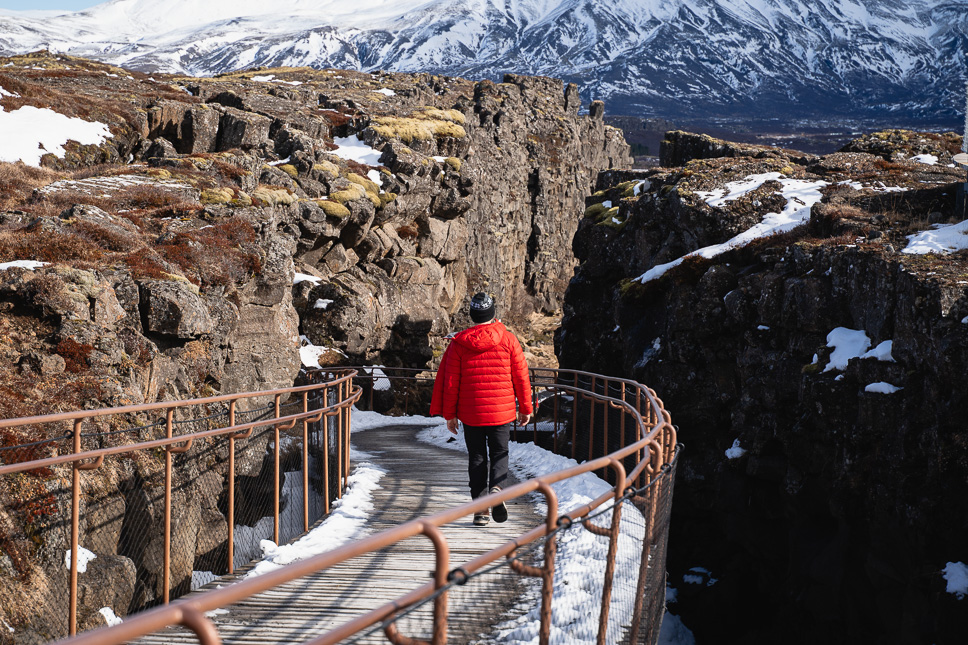
Start at Thingvellir (Þingvellir) National Park, where you can walk through vast lava fields and quite literally stand on the rift between the North American and Eurasian tectonic plates. This is also where Iceland’s first parliament was founded.
Next, you drive on to Geysir, the geothermal area where steam and boiling water shoot spectacular fountains into the air — a small preview of Iceland’s volcanic power. And then there’s Gullfoss, the massive waterfall that crashes thunderously into a deep canyon.
If you have more time, like we did, you can also stop at the Kerid crater, the Reykjadalur hot springs, and the Secret Lagoon. The Golden Circle may be short, but every stop leaves you in awe. It’s a magical blend of history, geology, and natural beauty, and an ideal start to your Iceland road trip.


South Coast of Iceland
The South Coast of Iceland is one of the most popular regions in the country — and for good reason. Here, you’ll find stunning waterfalls, black sand beaches, glacier lagoons, and breathtaking views. Every turn reveals something new and impressive. We found it incredibly striking.
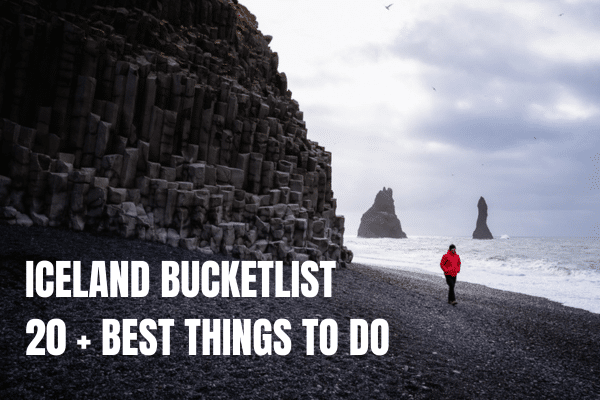
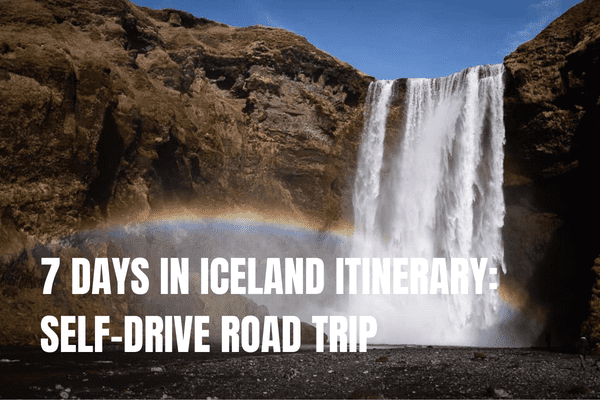
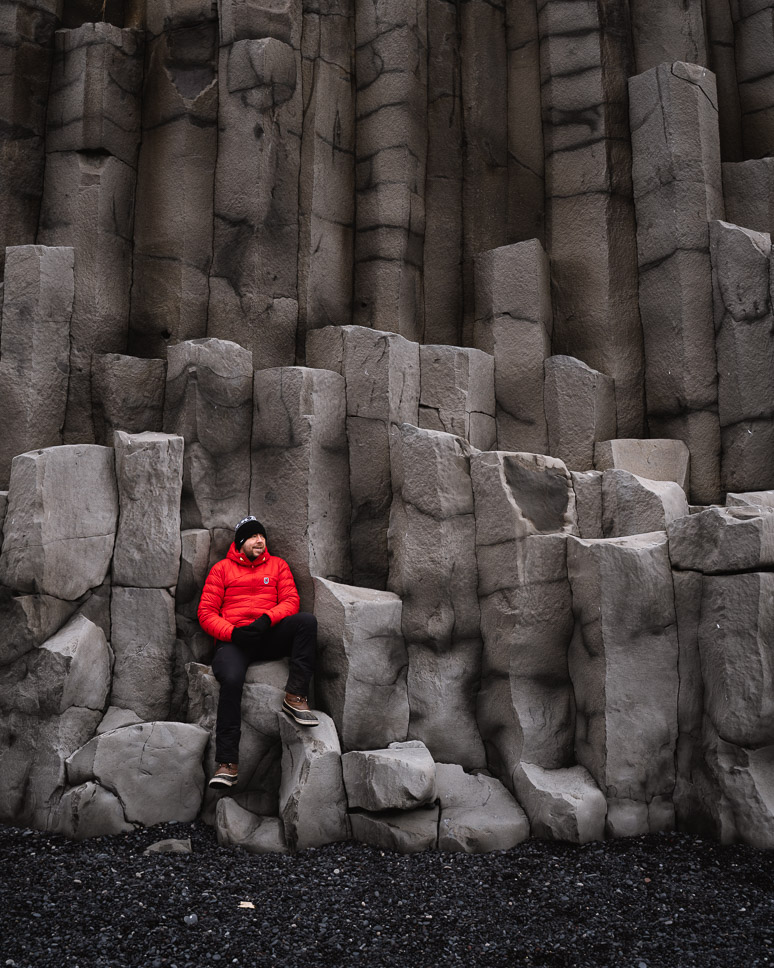
In the first part, you’ll encounter iconic waterfalls such as Seljalandsfoss (which you can even walk behind) and Skógafoss, as well as the black sand beach Reynisfjara with its mysterious basalt columns and the rugged Dyrhólaey peninsula with steep cliffs and seabird colonies. If you have a bit more time, be sure to visit the Sólheimasandur plane wreck and the Seljavallalaug pool as well.


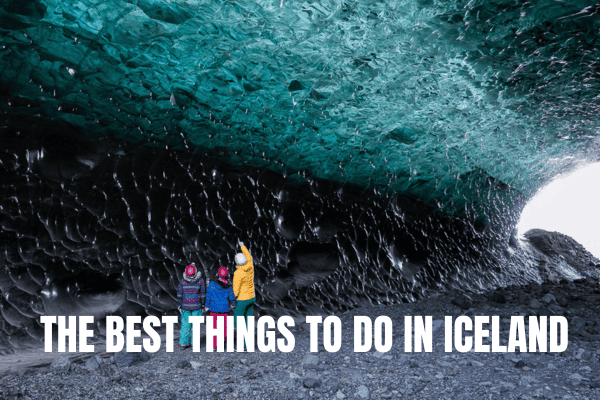
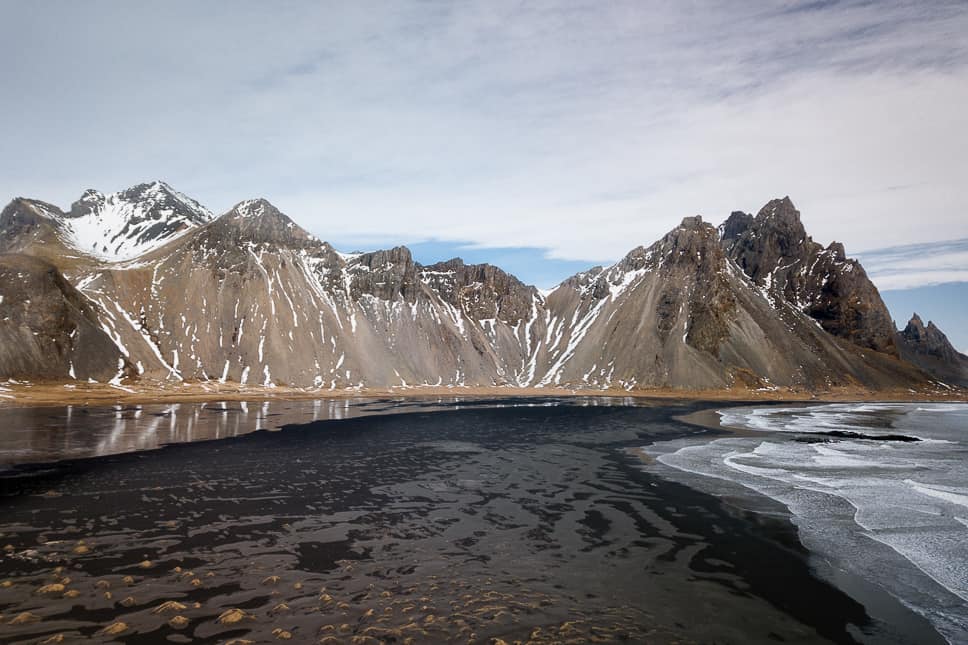
Once you pass Vik, you can visit the Fjaðrárgljúfur Canyon and the Vatnajökull and Skaftafell national parks, with their waterfalls, glaciers, and ice caves. After that, you’ll reach the Jökulsárlón glacier lagoon and Diamond Beach. And finally, you shouldn’t miss Vestrahorn and Stokksnes, with their impressive mountains and black sand beaches.
TIP: If you prefer to travel at a slower pace or you only have 7 days to explore Iceland, check out our South Coast Iceland itinerary.


Eastfjords
The Eastfjords feel like a hidden gem along the Ring Road: less visited than the South Coast, but just as enchanting. Here, the road winds through narrow fjords, with steep mountains on one side and the shimmering sea on the other.
Along the way, you’ll pass charming fishing villages like Djúpivogur and Seyðisfjörður (where the ferry arrives), each with its own colorful houses and relaxed atmosphere. The pace naturally slows down here: you’ll find yourself stopping more often to take photos, grab a coffee, or simply soak in the silence.
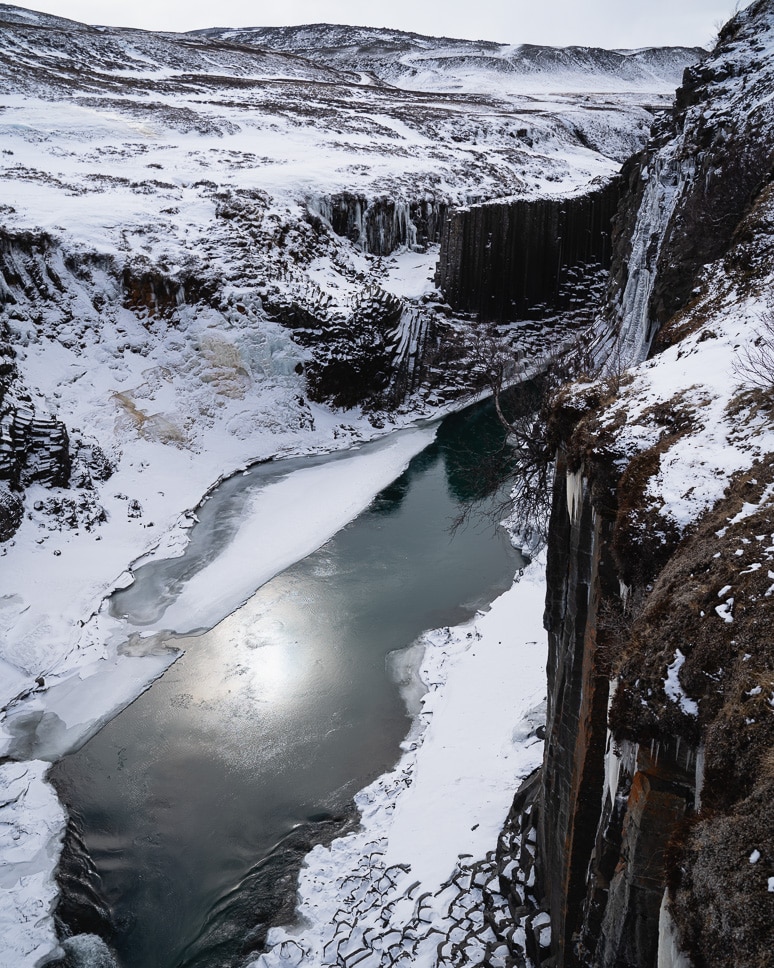
And with a bit of luck, you might spot reindeer grazing in the valleys — something you won’t easily see elsewhere in Iceland. Egilsstaðir is a great place to spend the night. From here, you can visit Bakkagerði to see puffins, the Hengifoss waterfall, or the Studlagil canyon.
The Eastfjords may be less dramatic in a cinematic way, but their beauty lies in the tranquility, the light, and the unique charm of this remote corner of Iceland.


North Iceland: Mývatn, Húsavík & Akureyri
The Mývatn region is one of the most fascinating areas of North Iceland, with a landscape that feels almost otherworldly. Around the lake you’ll find bubbling mud pools, steaming fumaroles at Hverir, dramatic lava formations like Dimmuborgir, and pseudo‑craters that make you feel as if you’re walking on another planet.
The impressive Dettifoss, the most powerful waterfall in Europe, is also not far away. For a touch of relaxation, you can visit the Mývatn Nature Baths — a quieter and often cheaper alternative to the Blue Lagoon.
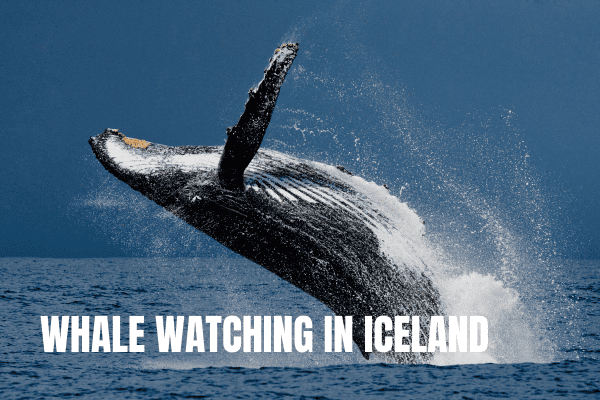
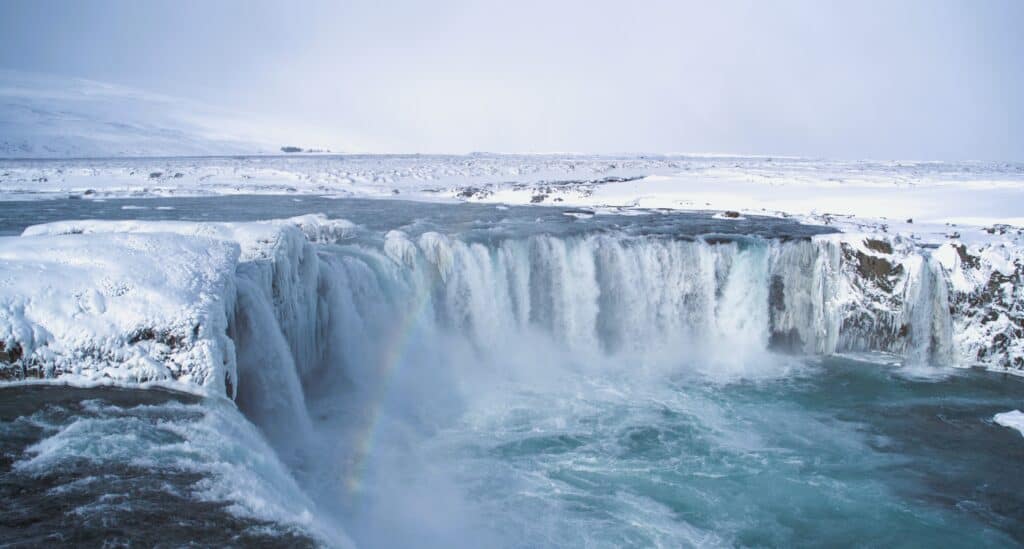
From here, you can easily head to Húsavík. This charming fishing town is one of the best places in Iceland for whale watching and offers fantastic boat trips to see these giants up close. On the way to Akureyri, you’ll encounter the fairytale‑like Goðafoss, the “waterfall of the gods,” and further west you’ll drive through valleys filled with Icelandic horses and along fjords that seem almost endless.
Akureyri itself is often called the “capital of the north.” Even though it’s Iceland’s second‑largest city, it has a cozy small‑town feel with colorful houses, cute coffee bars, and a beautiful setting along the Eyjafjörður fjord. From here, you can easily explore the north coast as well.

Snaefellsnes Peninsula
The Snæfellsnes Peninsula is often called “Iceland in miniature,” and for good reason. Here you’ll find nearly everything the country is famous for, all concentrated on one peninsula: volcanoes, glaciers, lava fields, black beaches, small churches, and picturesque fishing villages.
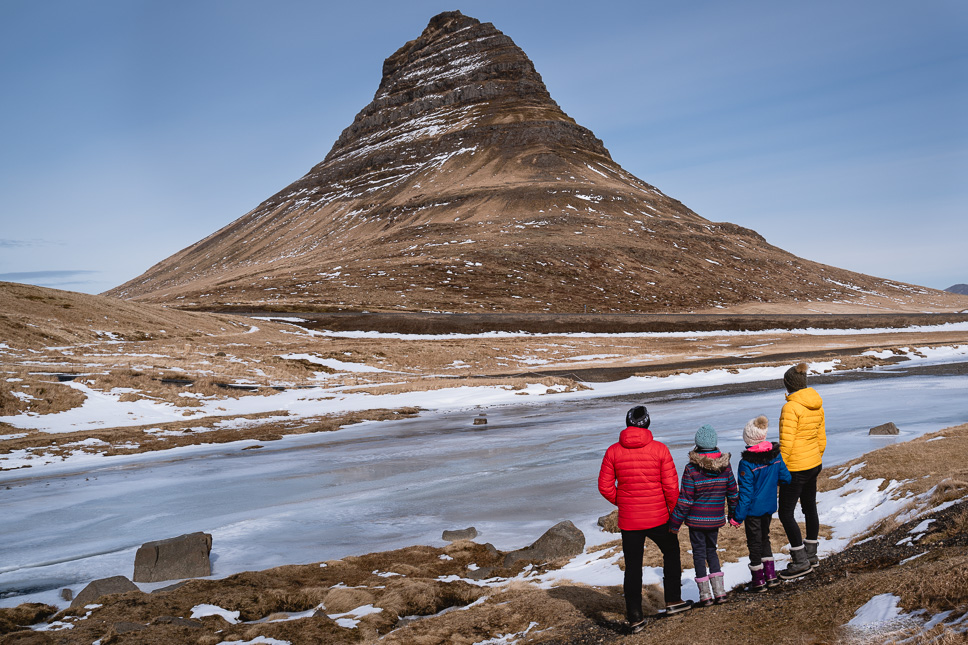
The icon of the region is without a doubt Kirkjufell, the photogenic cone‑shaped mountain with its accompanying waterfall. But the Snæfellsjökull — an ice‑covered volcano that once inspired Jules Verne’s Journey to the Center of the Earth — is also a must‑see.
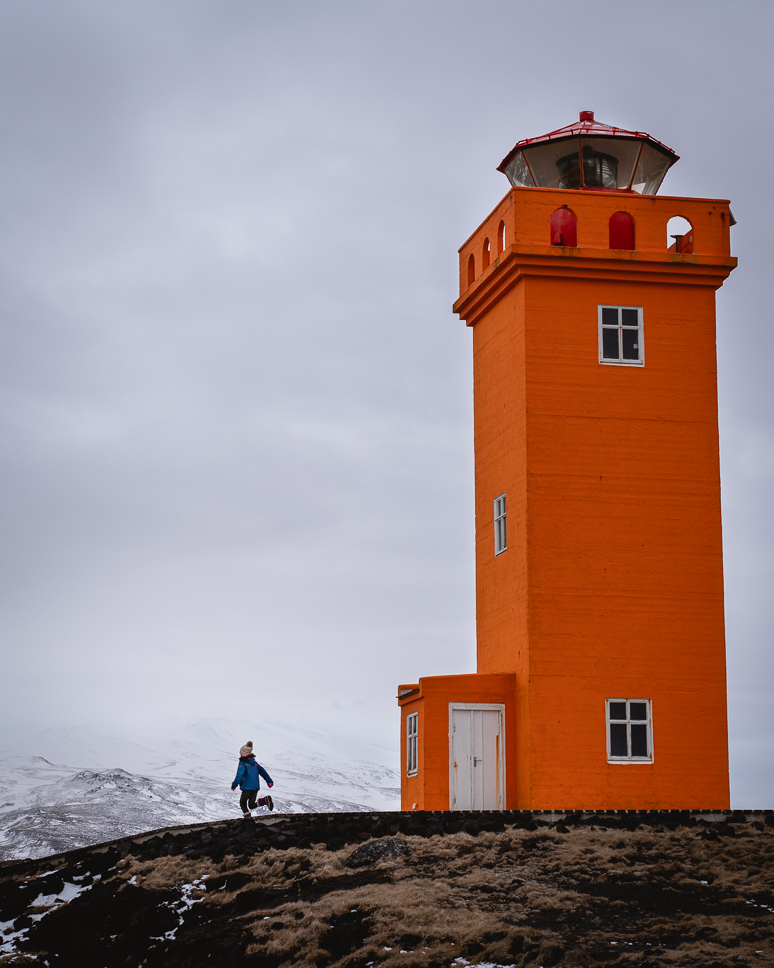
Stroll through the charming villages of Arnarstapi and Stykkishólmur, walk along the bizarre coastal rock formations, and stand next to the bright orange Svörtuloft lighthouse or the Saxhóll crater. The peninsula feels adventurous yet easily accessible, making it a wonderful finale to your Iceland road trip.
Read more: Snaefellsnes Peninsula: what to do + our best tips

Our favorite places to stay in Iceland
Sleeping in Iceland is often an adventure in itself. From unique wooden cabins with glacier views to stylish boutique lodges and cozy guesthouses, the options are endless — though they often come with a hefty price tag. If that doesn’t bother you, be sure to check out our list of the most unique places to stay in Iceland.
As always, during this road trip we also searched for fun and affordable accommodations in Iceland, such as simple hostels, guesthouses, or Airbnbs where you can still enjoy that Icelandic coziness without blowing your budget.
And if you’re traveling through Iceland by camper like we did, you’ll find well‑equipped campsites all across the country, often in the most beautiful spots right in the middle of nature. You can find our favorite campsites and more tips in our article about camping in Iceland.
TIP: The cost of accommodations in Iceland can add up quickly, especially when traveling with a family like ours. That’s why we often use HomeExchange, where people can stay in our home and we can stay in theirs (using points or a direct swap). There are plenty of homes available in Iceland as well. Create your own HomeExchange profile now and you’ll immediately receive 250 points to stay somewhere.
Our honest opinion about our road trip in Iceland
What did we think of Iceland? In one word? Fantastic. Iceland is without a doubt one of the most unique destinations we have ever visited. Nowhere else have we seen such an impressive and varied landscape.
We traveled through Iceland with our children and can highly recommend it to any family. On top of that, Icelanders are incredibly friendly.
We visited in winter, which was an unforgettable experience, but it also came with challenges: some roads and sights were inaccessible, meaning we sometimes had to change our plans. This is exactly why we absolutely want to return in summer, to explore the places that were out of reach this time.
One thing you shouldn’t underestimate is the distances: driving the Ring Road means long stretches on the road, so good planning is essential. And the weather… well, there’s no negotiating with it. Four seasons in a single day is more the rule than the exception here. Always keep an eye on the weather forecast and listen to the locals — it can quite literally make or break your trip.
Despite these challenges, they are part of Iceland’s magic: wild, unpredictable, impressive, and breathtakingly beautiful. For us, it was an experience we’ll never forget.
Save this Iceland Itinerary for later on Pinterest
Our other articles about Iceland