Iceland is not just a destination. It’s a playground for adventurers, nature lovers, and explorers. From glowing lava fields and roaring waterfalls to immense glaciers and plumes of steaming geysers: here, every day feels like a new adventure.
When we traveled through Iceland, it quickly became clear: Iceland is one big open‑air paradise with a long list of stunning sights, including some hidden gems. But Iceland is not only beautiful to look at—it’s a country you have to experience.
Aside from admiring landscapes, waterfalls, black sand beaches, and charming churches, there are plenty of fun things to do. Think visiting volcanoes and glaciers, bathing in thermal hot springs, whale watching, and so much more.
In this article, we’ll take you along our favorite activities in Iceland—from popular classics to adventures you may not have heard of yet. Grab your warm jacket, lace up your hiking boots, and get ready for adrenaline, wonder, and plenty of “wow” moments!
1. VISIT An ICE CAVE
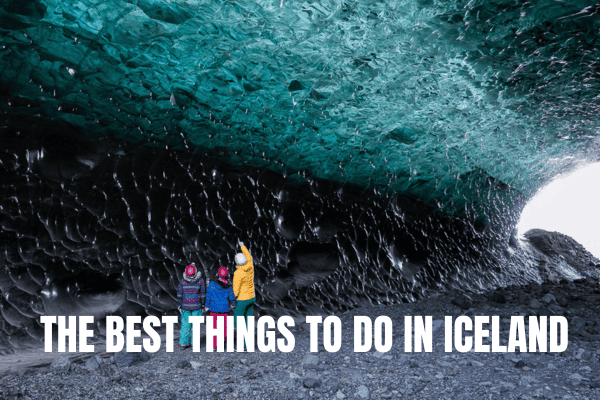
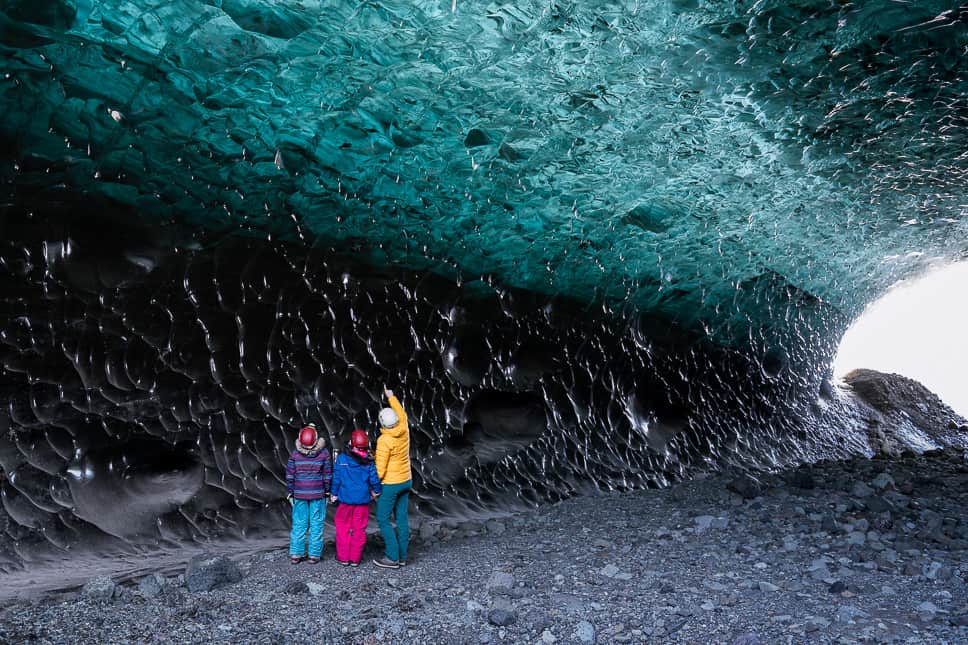
Visiting an ice cave in Iceland is without a doubt one of the most magical experiences you can have in your life. It feels like stepping into another world: one of silence, shimmering ice, and surreal shades of blue that no photo can truly capture.
The most famous ice caves lie beneath the Vatnajökull glacier, the largest glacier in Europe, in the southeast of Iceland. There are other ice caves as well, such as near Katla, the Falljökull glacier, and in the north of the country. Each year new caves are formed as meltwater carves its way through the glacier, which means no cave is ever the same twice.
Only visit an ice cave with an experienced guide. A guide knows exactly where it’s safe, takes you to the most beautiful spots, and provides the right equipment, such as crampons, helmets, and headlamps. Make sure you bring the appropriate clothing for Iceland’s conditions as well.
Most ice cave tours start in Jökulsárlón, Skaftafell, or Vík. If you’re traveling along the south coast, you can easily fit this great activity into your itinerary. Traveling with children? Kids can usually join from around 8 years old (depending on the tour). We joined a 4‑hour tour with Glacier Adventures, and our daughters thought it was one of the best experiences of our entire trip.
TIP: Keep in mind that you can only visit the natural ice caves in winter, when the glacier is stable enough to enter safely. When we travelled in Iceland in April, we were just in time to visit one. In summer, you can visit a few man‑made ice caves or go glacier hiking instead.


2. Hike on a glacier
A glacier hike is also an experience you’ll never forget. With crampons strapped to your boots, you walk across bright blue ice, past deep crevasses and ice caves. This is an activity you can do in summer as well—perhaps even especially in summer. A guide is required for any glacier hike.
The best glaciers in Iceland for a glacier walk are once again the massive Vatnajökull glacier (with the Falljökull glacier tongue) and Mýrdalsjökull (with the Sólheimajökull glacier tongue). Vatnajökull offers many spectacular routes through the national park, with most tours departing from Skaftafell in the south. Sólheimajökull is more accessible and located closer to Reykjavik.
TIP: For adrenaline seekers, you can also take a snowmobile tour across the Langjökull glacier. Racing over the ice at high speed, surrounded by endless white landscapes… It’s not cheap, but it’s truly a unique mix of adventure and freedom.
3. Go WHALE WATCHING
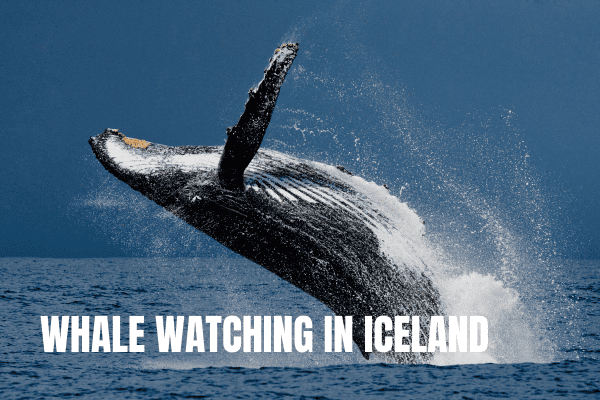
Another activity you shouldn’t miss in Iceland: heading out onto the ocean by boat to spot whales. There are several places where you can do this, such as Reykjavik and the Snæfellsnes Peninsula, but if you’re traveling the Ring Road, make sure to stop in Húsavík, Iceland’s whale‑watching capital.
With a bit of luck, you can see humpback whales, orcas, or even blue whales, and with its picturesque harbor and colorful houses, the town itself is also worth a visit. We joined this tour with North Sailing!
The best season for whale watching is between April and October. We were there right at the start of the season and unfortunately didn’t see any whales, but we still had an amazing experience on this beautiful boat on the Icelandic Sea. Plus, if you don’t see any whales, you’re allowed to join the next tour for free.
Read more: Everything you need to know about whale watching in Iceland

4. Take a dive between two continents (Silfra fissure)
Yes, you read that right! In Thingvellir National Park, you can snorkel or dive in the crystal‑clear water of the Silfra fissure, right between the North American and Eurasian tectonic plates. Visibility exceeds 100 meters, making it one of the clearest dive sites in the world. A truly unique experience!
The water in Silfra comes from the nearby Langjökull glacier and is filtered through porous lava rock, creating a pristine and almost otherworldly underwater landscape. Although the water can be very cold, snorkel tours provide dry suits, which keep you comfortably warm. Snorkeling in Silfra is absolutely a once‑in‑a‑lifetime experience!
5. Relax in one of the hot springs
After all that adventure, some relaxation is more than welcome. Thanks to Iceland’s volcanic activity, the country is full of natural hot springs.
The most famous is undoubtedly the world‑renowned Blue Lagoon, a geothermal spa known for its healing properties. You’ve probably seen the iconic photos. The water contains minerals like silica and sulfur, which are known to help with various skin conditions.
Other great thermal baths include the Sky Lagoon in Reykjavik, the Secret Lagoon in Flúðir (along the Golden Circle, also great and less touristy), the Mývatn Nature Baths, and the Hofsós Infinity Pool in northern Iceland.
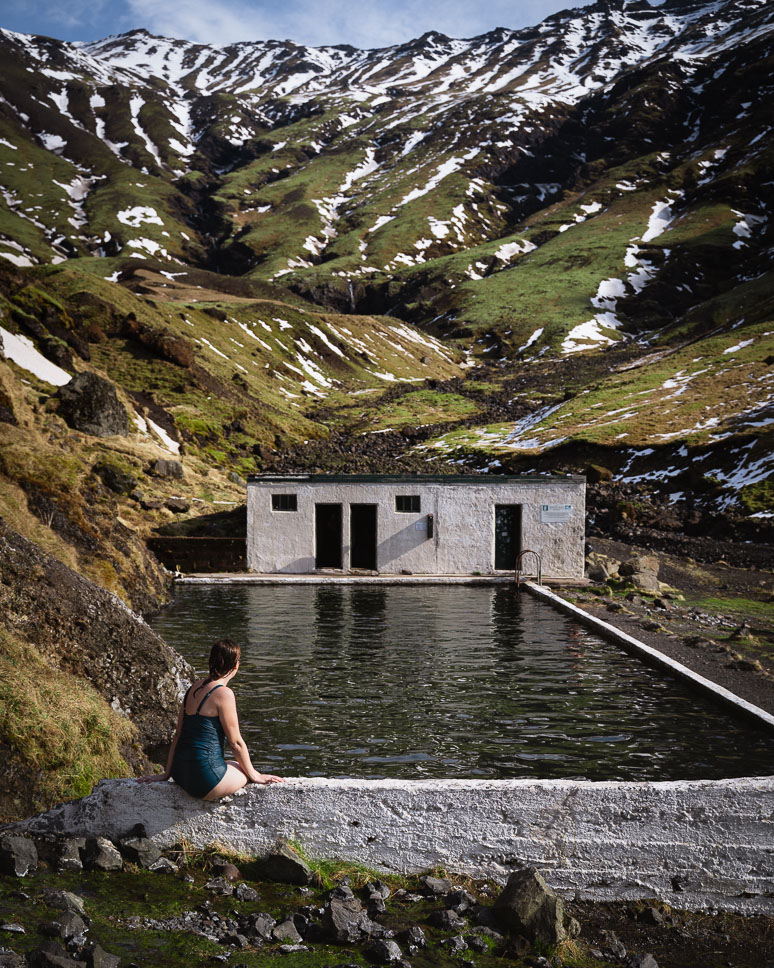
The fun part is that there are also several hot springs you can visit for free. Examples include the Seljavallalaug pool and the natural hot rivers of Hrunalaug and Reykjadalur. The walk to Reykjadalur is beautiful too— the perfect combination of effort and relaxation!

6. Witness an active volcano
Nothing makes the power of nature feel as real as seeing an active volcano in Iceland. Here, in the land of fire and ice, the earth literally comes to life.
Iceland sits right on the boundary between the North American and Eurasian tectonic plates, which causes intense volcanic activity. In recent years, the Fagradalsfjall and Litli‑Hrútur volcanoes on the Reykjanes Peninsula (near Grindavík and the Blue Lagoon) have become especially famous.
When we were in Iceland, we were incredibly lucky—the volcano had just erupted. We went twice with the kids, and believe us, it’s one of the most impressive natural phenomena you’ll ever witness and a true bucket list moment. The air smells of sulfur, and in the distance you see glowing orange lava slowly flowing from the earth—an unforgettable sight that leaves you speechless.
If you’re lucky and an eruption happens during your trip (which has become fairly common in recent years), this is an opportunity you absolutely shouldn’t miss. Even if the volcano is “resting,” walking across a recent lava field is an unforgettable experience, as if you’re witnessing the birth of new land.
TIP: No volcanic activity during your trip? You can still visit the Raufarhólshellir lava tunnel. It literally gives you a glimpse into the earth’s interior. The colorful rock formations and the cool, humid air make it a fascinating underground adventure.


7. Spot a puffin
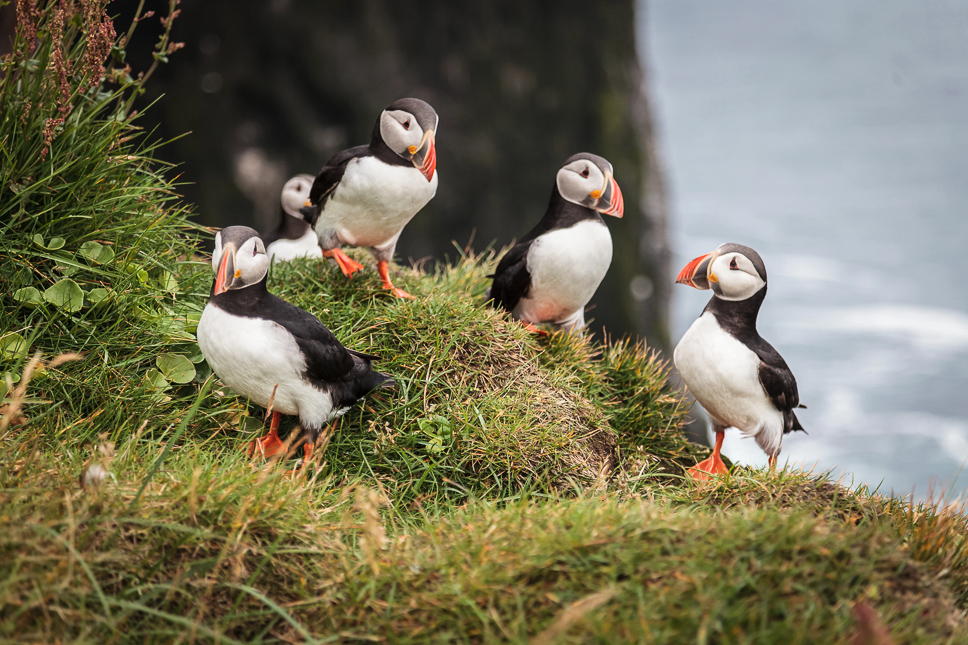
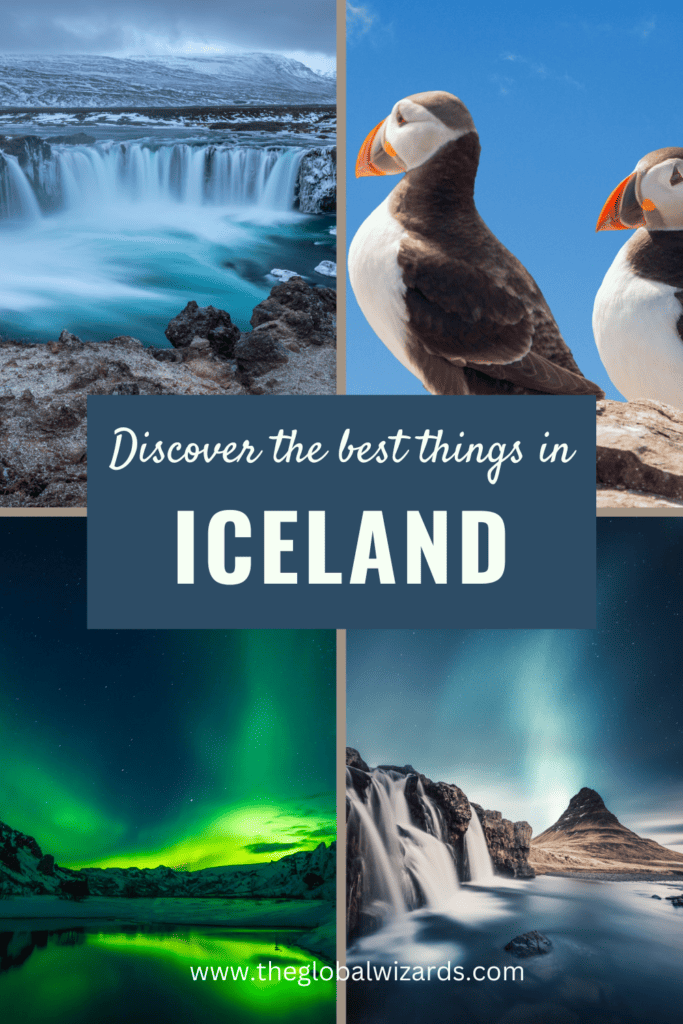
One of the absolute top activities in Iceland is observing the country’s national symbol: the puffin. These colorful birds with their bright orange beaks and waddling walk look like they’ve stepped straight out of an animated film. They’re cute, curious, and surprisingly photogenic. No wonder they’re high on many travelers’ Iceland bucket lists
To see them, you’ll need to visit Iceland between May and August. Puffins spend most of their lives at sea, but in summer they return to land to breed.
The best places to spot them are Dyrhólaey (near Vík in South Iceland), Látrabjarg in the Westfjords (one of Europe’s largest bird cliff colonies), and Borgarfjörður Eystri (a remote and peaceful village in East Iceland). Even if you’re not a bird lover, it’s a magical moment to see these colorful seabirds in their natural habitat, with the rugged Icelandic coastline as a backdrop and the wind blowing through your hair.
8. Walk behind a waterfall
Iceland is a paradise for waterfall lovers. No matter where you drive, it feels like there’s another waterfall thundering down behind every turn. Some are wide and powerful, others narrow and elegant. Locals often joke that Iceland has more waterfalls than people—and after a few days on the island, you might just believe it.
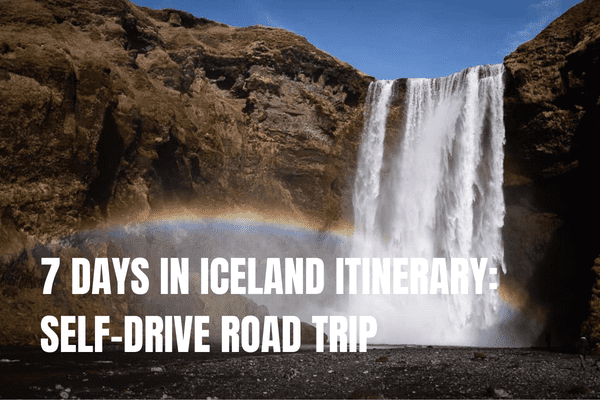
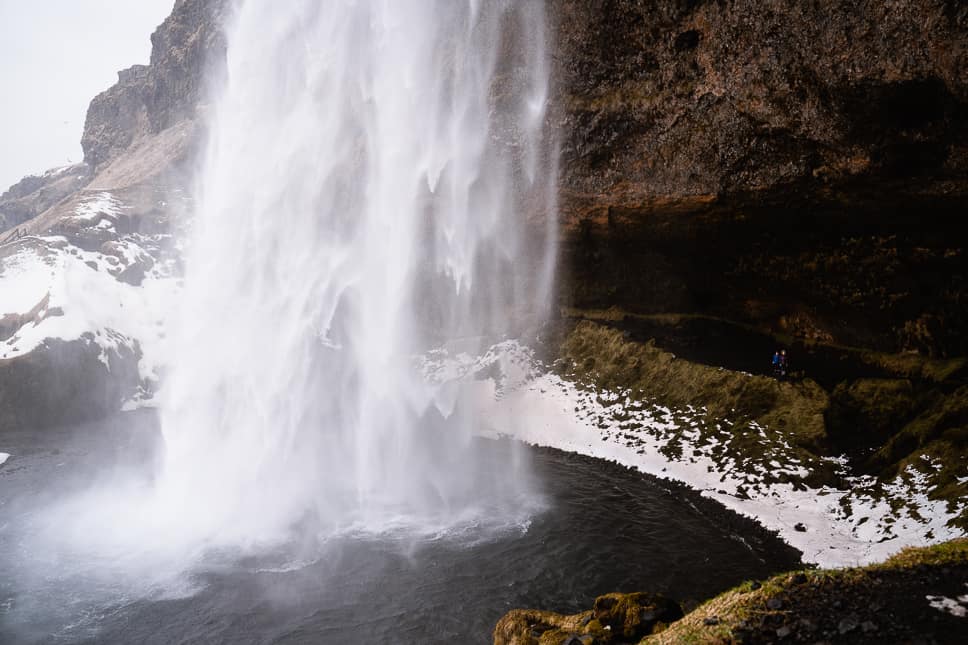
Among all these impressive waterfalls, two really stand out because of their unique experience: Seljalandsfoss and Kvernufoss. Both offer something you can rarely do elsewhere: walking behind the waterfall.
Seljalandsfoss is one of Iceland’s most iconic sights. From the road, you can already see the water plunging down from tall cliffs, but it’s only when you walk behind it that you truly feel its power. It’s especially magical at sunset.
Kvernufoss is more of a hidden gem that many tourists skip. You can reach it from the well‑known Skógafoss by following a fairly easy trail for about 20 minutes. You’ll find far fewer visitors here, but just as much beauty. You can also walk behind this waterfall, giving you a unique perspective over the valley.
9. Take a road trip with a camper
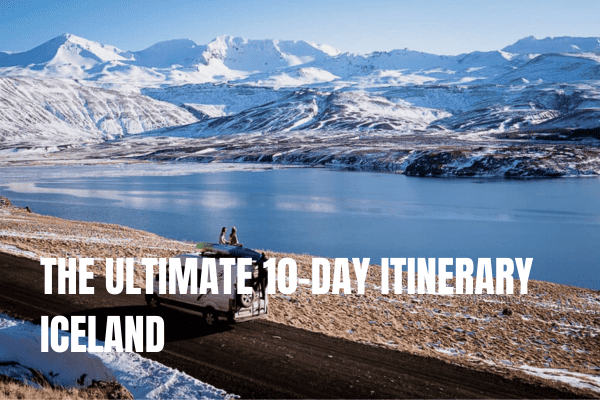
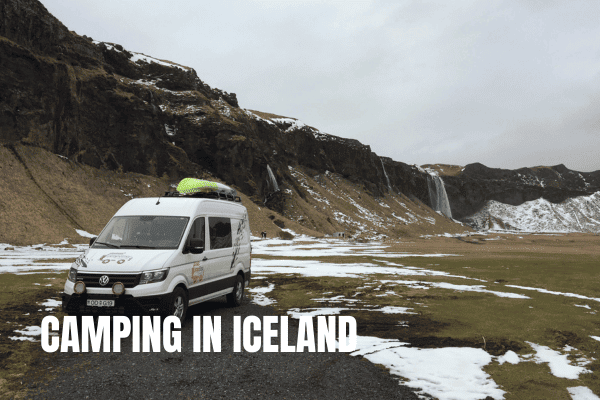
There’s hardly anything that suits Iceland better than a road trip with a camper. This country feels made for being on the road: vast landscapes, endless highways, and around every bend another natural wonder that leaves you speechless.
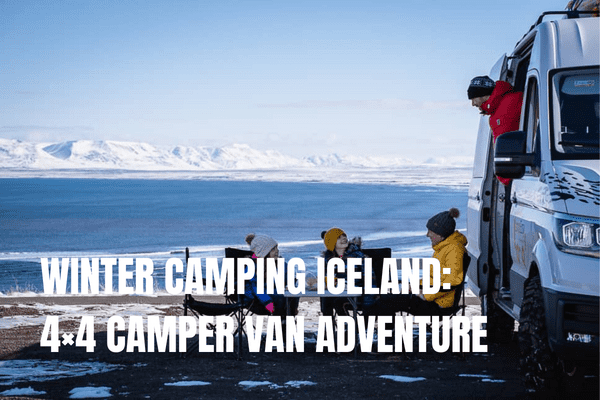
We traveled with the Viking 4×4 camper from CampEasy and loved having our own set of wheels. Our little rolling home that allowed us to go wherever we wanted.
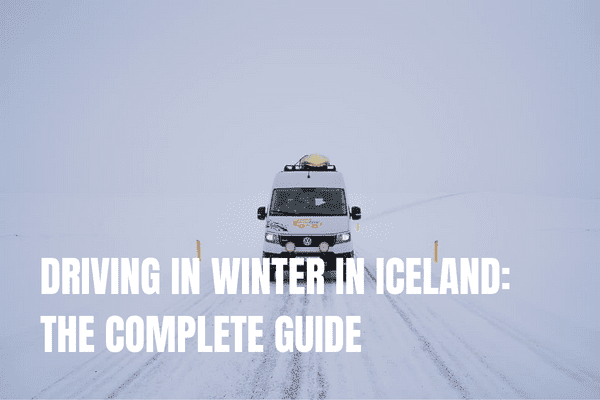
During our winter camper trip in Iceland, we drove the full Ring Road (Route 1), which circles the entire island—a dream for any road‑tripper. You pass waterfalls, volcanoes, black sand beaches, and glaciers, stopping along the way at hot springs or cozy villages. In the evenings, we parked our camper at a small campsite overlooking the mountains or the sea and cooked a simple meal (much more budget‑friendly ).
Camping in Iceland is not only practical but also magical. The roads are well maintained, campsites are everywhere (ranging from basic to luxurious), and the feeling of freedom is priceless. It allows you to explore the country’s most beautiful places at your own pace, without constantly packing and unpacking or relying on hotel bookings. It’s also a dream for families traveling through Iceland.


10. Spot the northern light
There are few natural phenomena as enchanting as the Northern Lights, or Aurora Borealis. It’s that magical moment when the sky comes alive with green, purple, and pink veils dancing among the stars, as if nature itself is putting on a light show. In Iceland, where the nights are long and dark, you have a good chance of witnessing this wonder with your own eyes.
Seeing the Northern Lights does require some luck and patience. The best period is from September to April, when the nights are dark enough. The farther you go from cities, the better, as light pollution makes the aurora harder to see.
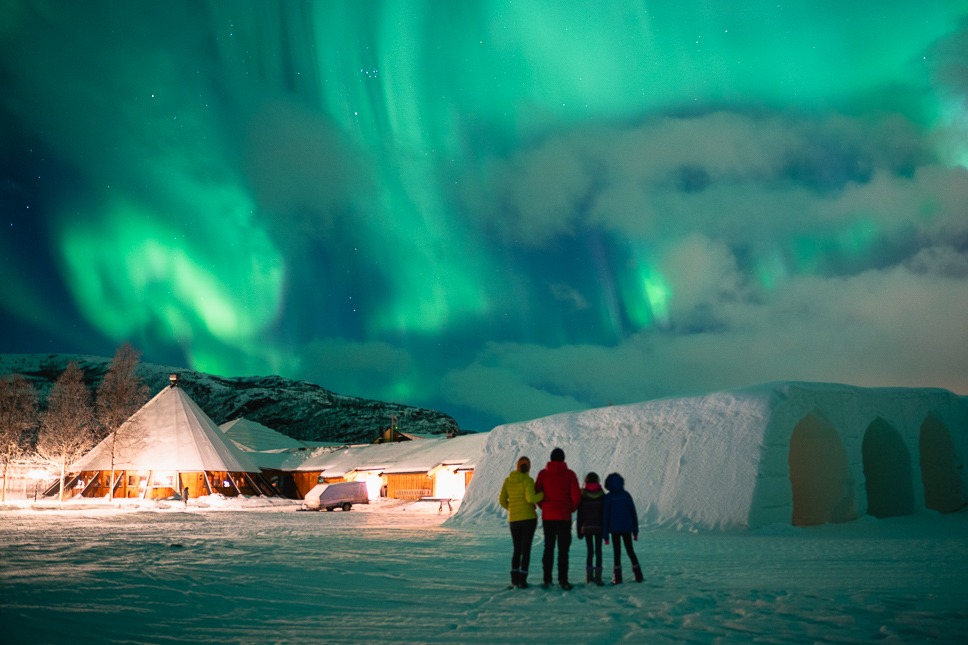
When we were in Iceland in April, it was unfortunately already too bright at night to see the Northern Lights clearly. However, we did see them during our winter trip to Norway (photo below). We’ll never forget standing there in the freezing night, bundled up in thick jackets, watching the spectacle in complete awe.
11. Discover iceland’s viking history
Iceland breathes history. Everywhere you go, you can feel the spirit of the Vikings who discovered and settled this rugged island more than a thousand years ago. One of the most fascinating things to do in Iceland is to rediscover their stories and their way of life.
Their bravery, exploration, and battles against the elements still live on today—in the culture, the language, and even in the landscape itself. And what makes this history so special is that it’s not just found in books: in Iceland, you can truly experience it.
There are many places where you can learn more about the Vikings. Here are some of our favorites:
• National Museum (Reykjavik): a great place to start learning about Iceland’s history from the very first Vikings to modern times. Book your tickets here.
• Saga Museum (Reykjavík): wax figures and realistic scenes bring the lives of the first settlers to life. Especially fun for families. Book your tickets here.
• Viking World Museum (Keflavík): home to an impressive reconstruction of a Viking ship, the Íslendingur, which even sailed to North America in 2000 to recreate the voyage of Leif Erikson, the first European to reach America.
• Þingvellir (Thingvellir) National Park: the site where the world’s first parliament, the Alþingi, was established in 930 AD.
• Eiríksstaðir (West Iceland): a reconstructed Viking longhouse where, according to tradition, Erik the Red and his son Leifur Eiríksson once lived.

12. Take a ride on Icelandic horses
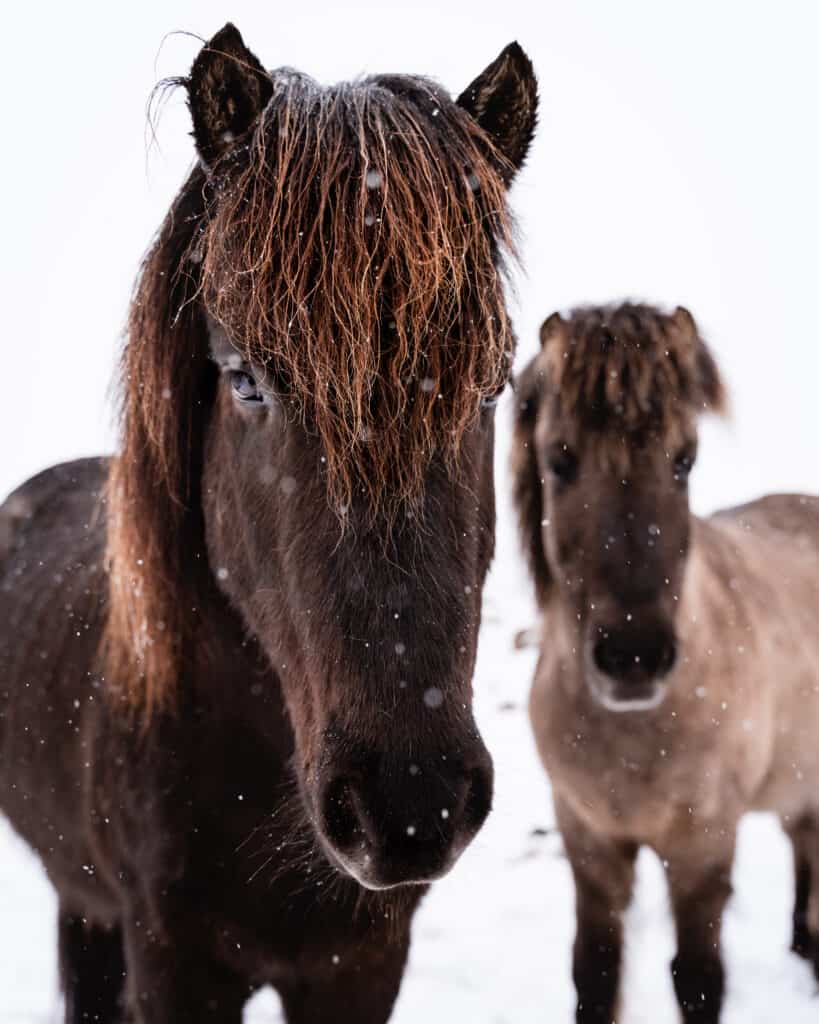
A ride on an Icelandic horse is one of those experiences that brings you closer to the soul of Iceland. These small, strong horses have been loyal companions to Icelanders for more than a thousand years, and they have something you won’t find anywhere else: a unique fifth gait, the tölt, which allows them to move smoothly and almost without bouncing across the rugged terrain.
One of the most enjoyable activities in Iceland is exploring the landscape on horseback and feeling the calm rhythm of these sturdy and charming animals.
We went riding with Icelandic Horseworld, a local stable on the south coast, surrounded by green fields, dark lava landscapes, and snow‑covered mountains in the distance. A unique experience you absolutely shouldn’t miss!

13. Kayak among icebergs at Jökulsárlón
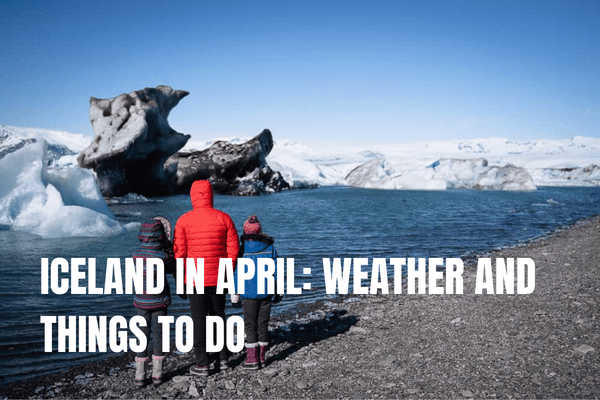
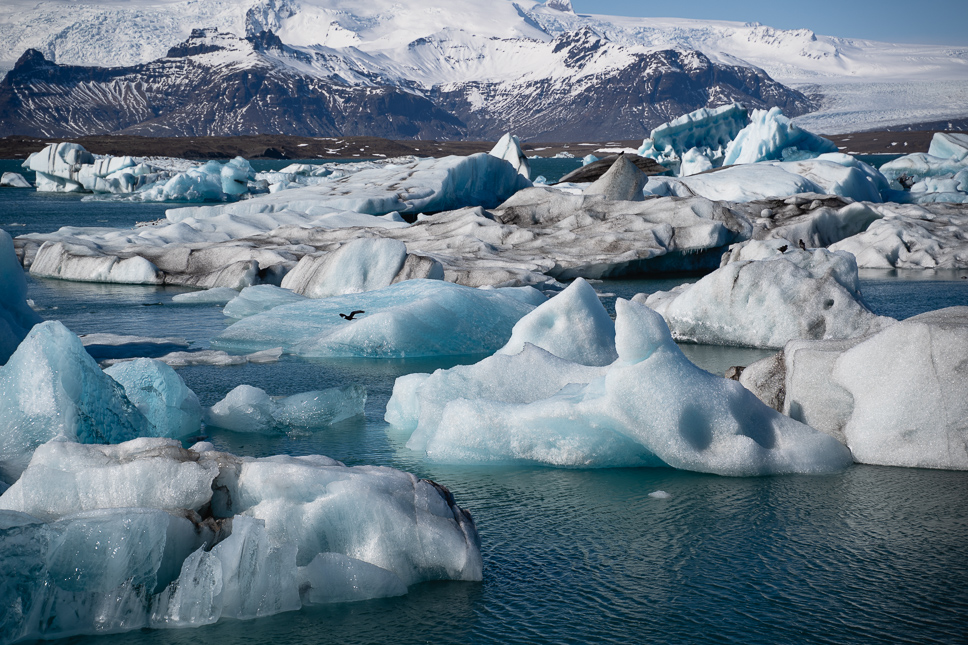
The Jökulsárlón glacier lagoon is one of Iceland’s most iconic places and feels almost surreal. Massive icebergs, formed by melting glacier ice, drift slowly across the mirror‑like water. From a distance it’s already breathtaking, but it becomes truly magical when you experience it from the water during a kayaking tour.
Kayaking between the floating icebergs gives you a sense of complete silence and isolation. As you gently paddle, you hear only the rippling water, the cracking ice, and the soft tapping of the ice blocks against one another. Sometimes you may even spot seals swimming curiously around the icebergs. It feels as if you’ve entered another world—a place where nature sets its own rhythm and rules.
Read more: Everything you need to know about driving in Iceland
14. Hike in the westfjords
The Westfjords are perhaps the most untouched and least visited region of Iceland. Hiking here is one of the most unique things to do in the country and feels like discovering a secret paradise. The fjords cut deep into the land, the mountains rise steeply from the ocean, and everywhere you look you’ll find rugged cliffs, waterfalls, and remote valleys.
There are countless hikes, from short cliffside routes to challenging treks over mountain passes with breathtaking views. A favorite for many is the hike to Hornstrandir, a nature reserve all the way in the northern part of the Westfjords. The trail winds along steep cliffs and offers views of seabirds, seals, and occasionally a curious Arctic fox. The rugged terrain, combined with the silence and vastness of the landscape, makes every step both thrilling and rewarding.
15. View ICELAND FROM ABOVE
For the ultimate adrenaline boost: see Iceland from above. A helicopter flight over glaciers, waterfalls, and volcanoes truly shows how vast and impressive this country is. From the air, you can see the incredible contrasts: deep‑blue glaciers slowly flowing toward the ocean, endless stretches of black lava fields, green valleys filled with rivers, and powerful waterfalls cutting through the landscape like silver ribbons.
If you’re willing to splurge, a helicopter flight can be the perfect way to start or end your Iceland trip. A memory that will stay with you for years—a truly unique Iceland experience!
Some tips for planning your Iceland trip
- Best time to visit Iceland: May, June, September, October (November–February for the Northern Lights).
- How to get to Iceland: Fly into Keflavík International Airport or take the ferry from Denmark to Seyðisfjörður in East Iceland (you can bring your own car). Check Cheaptickets for the best prices for tickets.
- Getting around: Rent a car (we book with Discover Cars) or travel by camper (like with CampEasy). If not renting at the airport, take a bus or private transfer to Reykjavik.
- Where to stay: Plenty of options for every budget. Great bases in the south are Reykjavik, Selfoss, Vík, and Höfn. In the north, Akureyri is a fun town. You’ll also find beautiful nature lodges across the country. Check our favorite accommodations here.
- Local dishes to try: Skyr (Icelandic yogurt), Harðfiskur (dried fish), Kjötsúpa (lamb soup), Pylsa (hot dog), Rúgbrauð (rye bread), Hákarl (fermented shark), Plokkfiskur (fish stew).
- Top sights: Reykjavik, Blue Lagoon, Skógafoss, Reynisfjara black sand beach, Thingvellir National Park, Kirkjufell, Mývatn, Jökulsárlón, Vatnajökull National Park, and more.
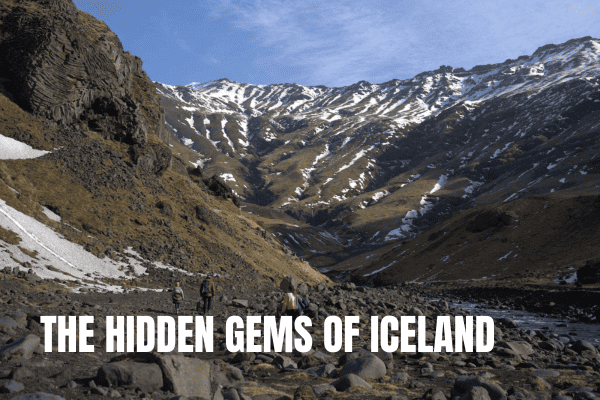
- Hidden gems: Seljavallalaug, Keldur turf houses, Fjaðrárgljúfur canyon, black church of Búðir.
- Stay connected: Use an Iceland eSIM with unlimited data (5% discount).
- Budget tip: Reduce transaction fees with a Wise account and free bank card. Follow this link for a free Wise card.
Save this article for Pinterest
OUR OTHER ARTICLES ABOUT ICELAND